 EN
EN

Introduction: Why Mall Toilet Flush Valves Break So Often (And How to Fix It)
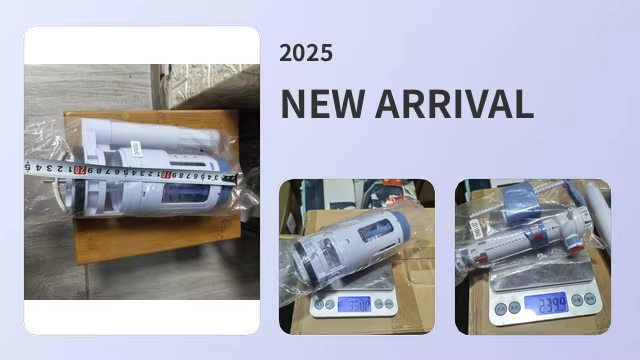
Shopping mall toilet flush valves face a double whammy: 10x more use than residential valves (especially weekends/holidays) and nightly exposure to harsh cleaners (bleach, disinfectants) that eat away at seals. A broken toilet flush valve doesn’t just mean a non-functional toilet—it leads to long lines, unhappy customers, and $100+/hour emergency maintenance. The solution isn’t "more frequent repairs"—it’s building a low-maintenance system tailored to malls. This guide focuses on 3 mall-specific pain points and how to solve them, plus how our factory’s 17 years of expertise makes our toilet flush valves the most durable for high-traffic mall settings.
Pain Point 1: Peak Hour Overload (Weekends/Holidays)
Malls see 70% of their restroom traffic on weekends flushing every 2–3 minutes, which wears out generic toilet flush valves in 6–8 months. Here’s how to cut maintenance:
- Choose "Heavy-Duty Sealed" Toilet Flush Valves: Our valves use custom-molded rubber seals (honed via 17 years of rubber manufacturing) that resist "fatigue wear" from frequent flushing. Unlike generic seals that crack after 10,000 cycles, ours last 30,000+ cycles (enough for 18+ months of mall peak use).
- Opt for Pressure-Compensating Designs: Standard valves struggle with mall water pressure spikes (from 50+ toilets flushing at once). Our toilet flush valves have a built-in pressure regulator that prevents "over-flushing" (which damages internal parts) and ensures consistent performance—even during Black Friday crowds.
- Pro Tip: Install "traffic sensors" near restrooms to schedule quick checks after peak hours (e.g., 3 PM on Saturdays). Our technical team provides a 2-minute checklist (check for leaks, test flush speed) to catch small issues before they become breakdowns.
Pain Point 2: Cleaner Induced Damage (Nightly Disinfecting)
Mall janitors use industrial cleaners that destroy generic toilet flush valve components—especially plastic parts and cheap rubber seals. Here’s the fix:
- Material Matters: Stainless Steel + Chemical-Resistant Rubber: Our toilet flush valves have a 304 stainless steel body that resists bleach corrosion (unlike plastic valves that warp). The seals are made from EPDM rubber (a formula we refined for 5+ years) that stands up to disinfectants—no more "sticky valves" or leaking seals after nightly cleaning.
- Avoid "Exposed Component" Valves: Generic valves have open internal parts that trap cleaner residue. Our valves have a closed housing (designed via 3,000+ custom molds) that keeps cleaner off sensitive parts—reducing seal replacements by 60%.
- Train Janitors on "Valve-Safe Cleaning": We provide free training materials (developed for mall teams since 2015) that teach janitors to avoid spraying cleaner directly on toilet flush valve buttons/seals—simple, but it cuts maintenance by 30% alone.
Pain Point 3: Hard Water & Scale Buildup (Mall Plumbing Systems)
Most malls have hard water, which leaves mineral deposits that clog toilet flush valve internals—causing weak flushes or complete failures. Here’s how to combat it:
- Choose "Scale Resistant" Toilet Flush Valves: Our valves have a smooth, polished internal surface (achieved via precision machining) that prevents mineral buildup. We also add a thin ceramic coating (a manufacturing trick from our 17 years in metal parts) that makes scale easy to wipe off—no more "acid descaling" (which damages valves) every month.
- Install In Line Filters for High Hardness Areas: For malls with extremely hard water (e.g., areas with >200 ppm calcium), pair our toilet flush valves with our custom in-line filters (made via small-batch customization). They trap minerals before they reach the valve—extending service life by 2x.
- Quarterly "Soft Clean" Routine: Our maintenance guide recommends using a vinegar-water solution (safe for our EPDM seals) to wipe valve internals every 3 months—no harsh chemicals, just a 5-minute process that prevents scale buildup.
How Our Toilet Flush Valves Cut Mall Maintenance by 50%+
Our valves aren’t just "durable"—they’re engineered for mall specific challenges, using our factory’s strengths:
- 17 Years of Rubber/Plastic/Metal Expertise: The rubber/wax seals and plastic/stainless steel bodies are made in-house, so we control quality—no more "mixed batches" of faulty parts.
- Customization for Mall Plumbing: If your mall has old pipes or non-standard toilet sizes, our 3,000+ custom molds let us make toilet flush valves with unique lengths or connections—no more "force-fitting" generic valves (which causes leaks and early failure).
- Fast Replacement Parts: Since 2015, we’ve optimized our logistics for mall emergencies—we stock 90% of toilet flush valve parts (seals, regulators) and offer FBA shipping, so you get replacements in 1–2 days (no more closed restrooms for a week).
One mall client in Texas switched to our valves and reduced toilet flush valve maintenance from 12x/year to 4x/year—saving $8,000+ in annual labor costs.
Conclusion: Build a Low Maintenance Mall Restroom with the Right Valves
Reducing toilet flush valve maintenance in malls isn’t about "fixing more"—it’s about choosing valves that survive mall chaos (cleaners, hard water) and pairing them with simple, actionable checks. Our toilet flush valves are built for this exact purpose—backed by 17 years of manufacturing, custom solutions, and fast support.
Ready to stop chasing broken toilet flush valves? Visit https://www.yourtoiletparts.com/products to browse our mall grade toilet flush valves or contact our team for a free "mall maintenance audit"—we’ll help you tailor a plan to cut repairs by 50%+.
Table of Contents
- Introduction: Why Mall Toilet Flush Valves Break So Often (And How to Fix It)
- Pain Point 1: Peak Hour Overload (Weekends/Holidays)
- Pain Point 2: Cleaner Induced Damage (Nightly Disinfecting)
- Pain Point 3: Hard Water & Scale Buildup (Mall Plumbing Systems)
- How Our Toilet Flush Valves Cut Mall Maintenance by 50%+
- Conclusion: Build a Low Maintenance Mall Restroom with the Right Valves

