 EN
EN

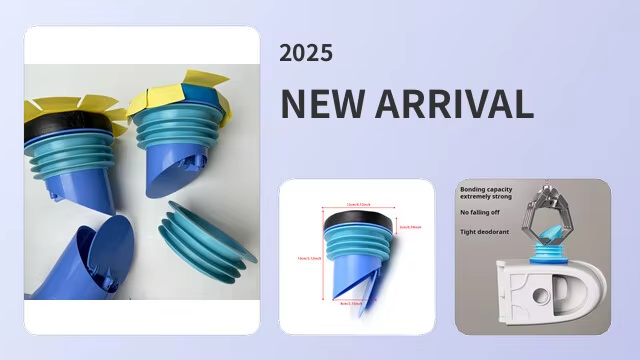
High-pressure water supply systems are widely used in modern buildings, commercial spaces, and residential complexes due to their ability to deliver consistent water flow even in large-scale structures. However, these systems pose unique challenges for toilet components, especially check valves. A reliable toilet check valve is critical to preventing backflow, water hammer, and potential damage to the toilet system, ensuring efficient water usage and long-term durability. Selecting the right check valve for high-pressure environments requires careful consideration of multiple factors, from pressure tolerance to material quality and compatibility. In this guide, we will break down the key steps to help you make an informed decision, leveraging insights from industry expertise and proven product standards.
Understand the Pressure Requirements of Your System
Before choosing a toilet check valve, it is essential to have a clear understanding of your high-pressure water supply system’s specific pressure parameters. High-pressure systems typically operate at pressures above 80 psi (pounds per square inch), though some commercial or industrial settings may reach even higher levels. Using a check valve that cannot withstand these pressures can lead to leaks, valve failure, or even system breakdowns.
First, consult your building’s plumbing specifications or use a pressure gauge to measure the water pressure at the toilet connection point. This measurement will serve as the baseline for selecting a valve with the appropriate pressure rating. Look for check valves explicitly designed for high-pressure applications, with a maximum working pressure (MWP) that exceeds your system’s operating pressure to provide a safety margin. For example, if your system operates at 100 psi, opt for a valve rated for 125 psi or higher to accommodate potential pressure fluctuations.
Additionally, consider the flow rate requirements of your toilet. High-pressure systems often have higher flow rates, and the check valve must allow water to pass through without restricting flow or causing excessive pressure drops. Valves with streamlined internal designs and large flow passages are ideal for such scenarios, ensuring that the toilet flushes efficiently without compromising system performance.
Prioritize Durable and High-Quality Materials
The material of a toilet check valve directly impacts its durability, resistance to corrosion, and ability to withstand high pressure. In high-pressure water supply systems, valves are subjected to constant stress, so choosing materials that can endure these conditions is non-negotiable.
Brass is a popular choice for high-pressure check valves due to its excellent strength, corrosion resistance, and compatibility with both hot and cold water. Brass valves are durable and can withstand extreme pressure fluctuations, making them suitable for long-term use in commercial and residential settings. Another reliable option is stainless steel, which offers superior corrosion resistance, especially in areas with hard water or chemical treatments. Stainless steel valves are also resistant to rust and degradation, ensuring consistent performance over time.
For plastic components, high-grade ABS engineering plastic is an excellent choice. ABS plastic is known for its exceptional rigidity, impact resistance, and ability to handle high pressure without cracking or warping. Many reputable manufacturers, such as Xiamen Pro-Made Sanitary Ware Technology Co., Ltd., use ABS engineering plastic in their toilet components, incorporating intelligent automatic shut-off mechanisms that enhance reliability and durability. Avoid low-quality plastics, as they may deform or fail under high pressure, leading to leaks and costly repairs.
Evaluate Sealing Performance to Prevent Backflow and Leaks
In high-pressure systems, effective sealing is crucial to prevent backflow, water leakage, and the escape of gases or odors. A check valve with poor sealing can compromise the entire plumbing system, leading to water damage, increased water bills, and unsanitary conditions.
Look for check valves equipped with advanced sealing technologies, such as triple-layer sealing flanges or high-elastic polymer seals. These features provide 360-degree protection against leaks, odors, bacteria, and pests, ensuring a tight and reliable seal even under high pressure. For example, upgraded triple-layer sealing flanges with auto-backflow tech create a barrier that prevents water from flowing back into the supply line, while high-elastic polymer seals maintain their flexibility and integrity for 5+ years, even in demanding environments.
Additionally, consider the type of seal material. Traditional wax seals are effective for standard pressure systems but may not hold up as well in high-pressure applications. Opt for flexible rubber or high-elastic polymer seals, which offer better adhesion and resilience, adapting to pressure changes without losing their sealing properties. These materials also resist cracking and deterioration, ensuring long-term performance and reducing the need for frequent replacements.
Check for Industry Certifications and Compliance
When selecting a toilet check valve for high-pressure systems, it is important to choose products that meet industry standards and certifications. Certifications indicate that the valve has undergone rigorous testing to ensure it meets safety, performance, and quality requirements, giving you peace of mind that it will perform reliably in your system.
Look for valves compliant with European Commission Regulations such as EC No 1907/2006 (REACH) and EC No 1272/2008 (CLP), which regulate the safety and labeling of chemical substances and mixtures. These regulations ensure that the materials used in the valve are safe for use in plumbing systems and do not pose health or environmental risks. Additionally, certifications from reputable third-party organizations like SGS provide independent verification of product quality and compliance.
For example, Xiamen Pro-Made Sanitary Ware Technology Co., Ltd. provides Safety Data Sheets (SDS) for their products, prepared in accordance with EU regulations, ensuring transparency about the product’s composition and safety. Choosing certified products not only ensures compliance with local building codes but also reduces the risk of using substandard components that may fail under high pressure.
Ensure Compatibility with Your Toilet System
Compatibility is another key factor to consider when selecting a check valve for high-pressure water supply systems. The valve must fit seamlessly with your toilet’s existing components, including the tank fittings, drain pipes, and connection bolts. Using an incompatible valve can lead to installation difficulties, leaks, and reduced performance.
First, check the size of your toilet’s drain pipe and connection points. Most toilets use 3-inch or 4-inch drain pipes, so ensure the check valve is designed to fit these sizes. Additionally, consider the type of toilet you have (e.g., one-piece, two-piece, wall-mounted) and the location of the valve installation (e.g., inside the tank, inline with the supply line). Some valves are designed for specific toilet models or installation configurations, so it is important to verify compatibility before making a purchase.
If you are unsure about compatibility, look for manufacturers that offer a wide range of products and customization options. Many companies, including those with over 3,000 molds like Xiamen Pro-Made, can provide tailored solutions to meet your specific needs, whether you require a custom size, shape, or connection type. Customized valves ensure a perfect fit, minimizing installation issues and maximizing performance in high-pressure systems.
Consider Supplier Expertise and Support
Selecting the right check valve is not just about the product itself; it also involves choosing a reliable supplier with the expertise and support to help you make the best decision. A supplier with experience in high-pressure plumbing systems can provide valuable guidance on product selection, installation, and maintenance, ensuring that you get the most out of your check valve.
Look for suppliers with a proven track record in the sanitary ware industry, preferably with 15+ years of experience serving domestic and international markets. These suppliers have a deep understanding of the unique challenges of high-pressure systems and can recommend products that have been tested and proven to perform in similar environments. Additionally, suppliers with a diverse client base, including real estate entities, wholesale supermarkets, and online retailers, are likely to have the flexibility to meet different needs, from large-scale projects to individual installations.
Consider the supplier’s support services, such as OEM/ODM capabilities, custom packaging, and logistics support. For example, suppliers that offer DDP (Delivered Duty Paid) logistics handle shipping and customs clearance, saving you time and ensuring that the product arrives on time and in good condition. Additionally, suppliers with dedicated foreign trade teams and experienced staff can provide timely assistance with technical questions, installation guidance, and after-sales support, ensuring a smooth and hassle-free experience.
Assess Long-Term Reliability and Warranty
Investing in a high-quality check valve for your high-pressure system is a long-term decision, so it is important to consider the product’s reliability and warranty. A valve with a long lifespan and a comprehensive warranty can save you money in the long run, reducing the need for frequent replacements and repairs.
Look for check valves designed for durability, with features like corrosion-resistant materials, robust construction, and wear-resistant components. Manufacturers that stand behind their products often offer warranties of 5 years or more, guaranteeing that the valve will perform as expected under normal use. Additionally, consider the supplier’s reputation for product reliability, checking customer reviews and testimonials to see how their products have performed in real-world applications.
For example, suppliers that maintain bulk stock of popular items and regularly develop new products to enhance performance are committed to providing reliable solutions. Their products are often tested in various high-pressure scenarios to ensure they can withstand the demands of modern plumbing systems, giving you confidence in their long-term reliability.
Conclusion
Selecting the right toilet check valve for high-pressure water supply systems requires a systematic approach, considering factors such as pressure requirements, material quality, sealing performance, certifications, compatibility, supplier support, and long-term reliability. By understanding your system’s specific needs and leveraging the expertise of reputable manufacturers and suppliers, you can choose a valve that ensures efficient, safe, and durable operation.
Table of Contents
- Understand the Pressure Requirements of Your System
- Prioritize Durable and High-Quality Materials
- Evaluate Sealing Performance to Prevent Backflow and Leaks
- Check for Industry Certifications and Compliance
- Ensure Compatibility with Your Toilet System
- Consider Supplier Expertise and Support
- Assess Long-Term Reliability and Warranty
- Conclusion

