 EN
EN

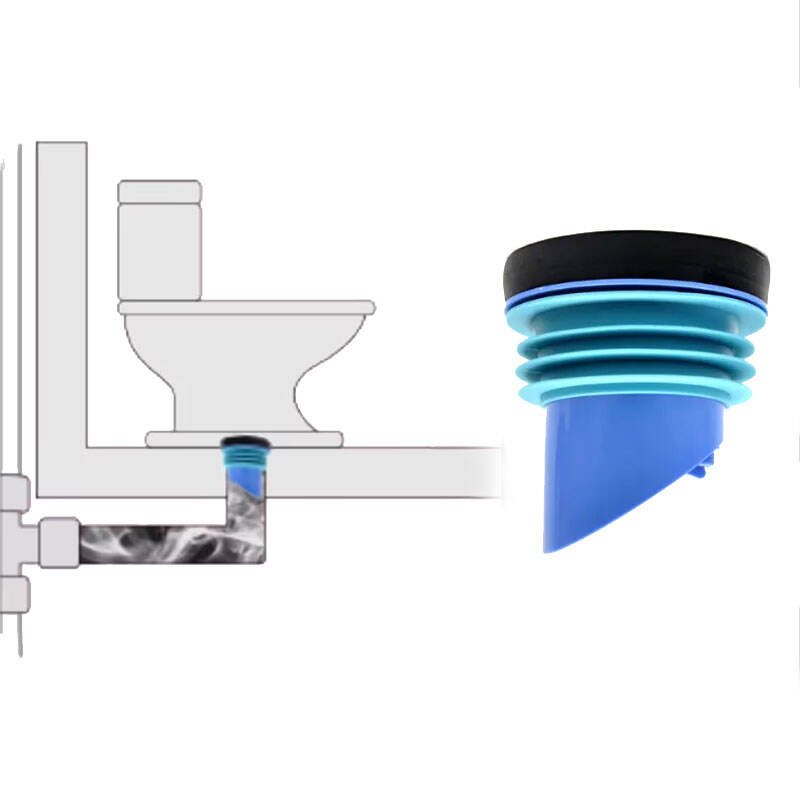
A properly installed toilet flange is the unsung hero of a leak free bathroom. It connects your toilet to the drain pipe, creates a watertight seal, and supports the toilet’s weight—all while preventing water, odors, and pests from seeping into your floors. However, even small installation mistakes can lead to catastrophic damage: warped hardwood, moldy subfloors, cracked tiles, or costly structural repairs. With over 15 years of experience in manufacturing reliable toilet parts, we’ve seen firsthand how common errors derail bathroom projects. This guide highlights the most dangerous flange installation mistakes, explains their consequences, and shares expert tips to avoid them—using quality parts designed for durability and ease of use.
Choosing the Wrong Flange Size or Type
One of the most fundamental mistakes is selecting a flange that doesn’t match your toilet or drain pipe. A poor fit undermines the entire installation, leaving gaps that invite leaks.
Mismatched Drain Pipe Compatibility
Most standard toilets use 3 or 4 inch drain pipes, but many homeowners grab the first flange they find without verifying size. A flange that’s too small will sit loosely on the pipe, while one that’s too large won’t create a tight seal. Over time, water seeps through these gaps, soaking the subfloor and causing rot or mold. Quality manufacturers like Xiamen Pro Made Sanitary Ware Technology Co. Ltd. offer flanges compatible with both 3 and 4 inch pipes, with over 3000 molds to fit nearly every toilet model—ensuring a precise fit that eliminates leaks.
Ignoring Flange Material Quality
Opting for cheap, flimsy flanges made from low grade plastic or metal is a recipe for disaster. These materials crack, warp, or corrode over time, especially under the weight of a toilet. In contrast, flanges crafted from high grade ABS engineering plastic offer exceptional durability and resistance to wear. They support the toilet’s weight reliably and maintain their shape for years, preventing the flange from failing and water from damaging your floors.
Improper Sealing: Cutting Corners on Wax Rings or Seals
The seal between the flange and toilet is your first line of defense against leaks. Skimping on this step or using the wrong sealant is a costly mistake.
Using a Low Quality or Damaged Wax Ring
A worn, cracked, or cheap wax ring can’t create a tight seal. Many DIYers reuse old wax rings or buy the cheapest option, not realizing that subpar wax melts, shrinks, or cracks within months. Water then seeps under the toilet, pooling in the subfloor and causing irreversible damage. Invest in a thick, high adhesion wax ring or a high elastic polymer seal—both designed to last 5+ years. These seals conform to irregularities in the flange and toilet base, creating a leak proof barrier that withstands daily use.
Skipping the Triple Layer Sealing Feature
Upgraded flanges with triple layer sealing and auto backflow technology offer 360 degree protection against leaks, odors, bacteria, and pests. Yet many installers opt for basic flanges without this feature, assuming a standard wax ring is sufficient. In humid bathrooms or high use spaces (like rental units or hotels), the extra protection of a triple layer seal prevents moisture from seeping into floors. This is especially critical for real estate projects or hospitality venues, where floor damage can lead to expensive renovations and tenant complaints.
Uneven or Unlevel Installation
A flange that’s not perfectly level or securely fastened will shift under the toilet’s weight, breaking the seal and causing leaks.
Failing to Level the Flange
If the flange sits unevenly on the floor, the toilet won’t rest flat. This creates pressure points that crack the flange or wax ring, allowing water to escape. Always use a level to ensure the flange is perfectly horizontal before securing it. If your floor is uneven, use shims to adjust the flange’s height—never force the toilet to sit flat, as this will damage both the toilet and the flange.
Loose or Over Tightened Bolts
Securing the flange with loose bolts means it will shift every time the toilet is used, breaking the seal. Conversely, over tightening bolts can crack the flange or the floor itself, creating new gaps for water to seep through. Use a screwdriver or wrench to tighten bolts firmly but gently, ensuring the flange is secure without excessive pressure. Quality flanges come with reinforced bolt holes that prevent cracking, even when installed correctly.
Ignoring Existing Floor or Pipe Damage
Installing a new flange over damaged floors or drain pipes is a wasted effort—existing issues will quickly undermine your work.
Installing Over Rotting or Moldy Subfloors
If your old flange leaked, chances are the subfloor is already water damaged. Installing a new flange without replacing the rotted wood or moldy subfloor means moisture will continue to spread. Before installation, inspect the area around the drain pipe: if the subfloor is soft, discolored, or smells of mold, replace it first. A solid, dry base ensures the flange sits securely and prevents future leaks.
Overlooking Cracked or Clogged Drain Pipes
A cracked drain pipe will leak regardless of how well the flange is installed. Similarly, a clogged pipe creates pressure that pushes water back up, damaging the seal. Inspect the drain pipe for cracks, rust, or blockages before installing the new flange. If you spot damage, repair or replace the pipe—this extra step saves you from costly floor repairs down the line.
Rushing the Installation and Skipping Tests
Many DIYers finish the installation, reconnect the water, and call it a day—without testing for leaks. This mistake leads to hidden damage that only surfaces months later.
Not Testing for Leaks Thoroughly
After installing the flange and reinstalling the toilet, flush the toilet multiple times and check for leaks. Dry the area around the base of the toilet with a towel, then place paper towels under the toilet to catch any moisture. Leave the paper towels overnight—if they’re wet in the morning, you have a leak. Address the issue immediately, whether it’s a loose bolt, a faulty seal, or a misaligned flange. Quality flanges with SGS certification undergo rigorous testing to ensure leak resistance, but proper installation and post install checks are still critical.
Skipping the Cure Time for Sealants
If you use a sealant or adhesive during installation, rushing to use the toilet before it dries can break the seal. Follow the manufacturer’s instructions for cure time—most wax rings or polymer seals are ready to use immediately, but some specialized sealants require several hours to set. Patience here prevents leaks and ensures the installation lasts.
Why Quality Parts and Professional Guidance Matter
Avoiding these mistakes starts with choosing the right parts and following expert advice. Here’s how partnering with a reputable supplier protects your bathroom floor:
Access to Durable, Tested Products
Reliable suppliers offer flanges and seals that meet European safety standards (EC No 1907/2006, EC No 1272/2008) and come with SGS certification. These products are tested to withstand daily use, resist corrosion, and maintain a tight seal for 5+ years. They’re designed for DIY installation, with clear instructions that reduce the risk of error.
One Stop Support for Every Project
Whether you’re a homeowner, real estate professional, or wholesale buyer, suppliers with one stop services simplify the process. From custom packaging and private labeling to DDP logistics, they handle the details so you can focus on proper installation. Low MOQs and fast delivery (some orders ship in 13 days or less) mean you get the right parts when you need them, without delays that lead to hasty, mistake prone installations.
Expert Advice to Avoid Common Pitfalls
Suppliers with dedicated foreign trade teams (many with 12+ years of experience) offer personalized guidance. They can help you select the right flange size, recommend compatible seals, and answer installation questions—ensuring you don’t make costly mistakes. For bulk buyers like wholesale supermarkets or online retailers, they also provide promotional support and attractive margins, making quality parts affordable.
Final Thoughts
Toilet flange installation mistakes aren’t just inconvenient—they’re expensive. A single leak can ruin your bathroom floor, require extensive repairs, and disrupt your daily life. By avoiding these common errors—choosing the right size and material, prioritizing proper sealing, ensuring level installation, addressing existing damage, and testing thoroughly—you protect your investment and enjoy a leak free bathroom for years.
The key to success lies in using quality parts from trusted manufacturers. Products like Pro Made’s ABS engineering plastic flanges, triple layer sealing systems, and high elastic polymer seals are designed to prevent mistakes and withstand the test of time. Whether you’re tackling a DIY project or managing multiple properties, investing in reliable parts and following expert guidance is the best way to avoid floor damage and ensure a successful installation. Don’t let a simple mistake ruin your bathroom—choose wisely, install carefully, and trust in parts built for durability.

