 EN
EN

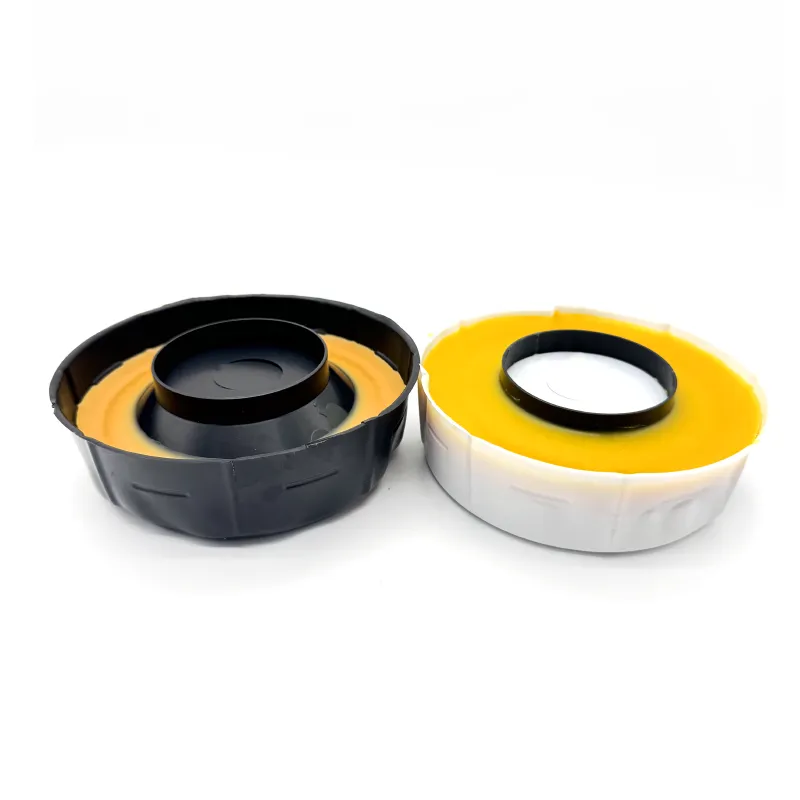
The toilet wax ring may be a small component in your bathroom, but it plays a critical role in maintaining hygiene and functionality. As a key sealing element between the toilet base and the floor drain, it prevents water leakage, gas escape, and the intrusion of bacteria or pests. Understanding when to replace this essential part can save you from costly water damage, unpleasant odors, and unsanitary conditions. Drawing on insights from industry expertise and high-quality product standards, this guide outlines the key signs that indicate it’s time for a replacement and why investing in a reliable wax ring matters.
The Importance of a Functional Toilet Wax Ring
Before diving into the warning signs, it’s crucial to recognize the wax ring’s purpose. A well-sealed wax ring creates an airtight and watertight barrier, ensuring that wastewater flows smoothly into the drain without seeping into the floor. It also blocks harmful sewer gases from entering your bathroom, which can pose health risks and cause foul smells. High-quality wax rings, such as those crafted from traditional wax, flexible rubber, or durable high-elastic polymer materials, are designed to last for years—many offering leak and crack protection for 5+ years on standard 3-4 inch drain pipes. However, even the most robust products can degrade over time, making regular checks essential.
Key Signs It’s Time to Replace Your Wax Ring
Water Leakage Around the Toilet Base
One of the most obvious indicators of a failing wax ring is water pooling around the bottom of the toilet. If you notice dampness, small puddles, or discolored flooring near the toilet base—especially after flushing—it’s likely that the wax ring has cracked, worn thin, or lost its seal. Leakage can occur due to age, improper installation, or physical damage to the ring. Ignoring this sign can lead to mold growth, rotting subfloors, and even structural damage to your bathroom. To confirm the source, dry the area thoroughly, flush the toilet, and check for fresh moisture. If the leak persists, a replacement is necessary.
Unpleasant Sewer Odors in the Bathroom
Sewer gases contain harmful compounds like methane and hydrogen sulfide, which not only smell terrible but can also be dangerous in high concentrations. A intact wax ring blocks these gases from entering your home, so if you detect a persistent rotten egg or sewage-like odor in your bathroom, it’s a strong sign that the seal has been compromised. The odor may be more noticeable after flushing or when the bathroom is closed for extended periods. Unlike temporary odors from cleaning products or stagnant water, sewer gas smells will linger until the wax ring is replaced.
A Wobbly or Loose Toilet
A toilet that rocks or shifts when you sit on it is another red flag. Over time, the wax ring can compress unevenly, or the toilet bolts that secure the base to the floor may loosen. This instability puts additional pressure on the wax ring, causing it to crack or break. To check for wobbliness, gently press down on different sides of the toilet. If it moves significantly, tighten the bolts first—if the problem persists, the wax ring is likely damaged and needs replacement. A loose toilet not only threatens the wax ring’s integrity but also increases the risk of leaks and further damage.
Visible Damage to the Wax Ring
In some cases, you can inspect the wax ring directly by removing the toilet (a task best left to professionals if you’re not experienced). If you see cracks, crumbling, or missing pieces in the wax ring, it’s clearly time for a new one. Even if the damage seems minor, partial wear can quickly escalate into leaks or odor issues. High-quality wax rings, such as those with an upgraded triple-layer design and auto-backflow technology, offer enhanced durability and 360° protection against leaks, odors, bacteria, and pests—making them a smart replacement choice.
Age of the Wax Ring
Even if you haven’t noticed any obvious signs, the age of your wax ring should prompt a replacement. Most standard wax rings have a lifespan of 5-10 years, depending on usage, water quality, and installation. If your toilet is older than a decade, or if you’ve recently moved into a home with an older bathroom, it’s proactive to replace the wax ring preventively. Investing in a long-lasting product, such as those made from high-elastic polymer or reinforced rubber, can extend the lifespan and reduce the need for frequent replacements.
When to Replace Proactively
Beyond responding to warning signs, there are specific scenarios where replacing the wax ring is advisable even if it’s not yet failing. If you’re remodeling your bathroom, relocating the toilet, or repairing other plumbing components near the drain, it’s efficient to replace the wax ring at the same time. This avoids the need for future repairs and ensures a secure seal for years to come. Additionally, if you’ve experienced a toilet overflow or significant water damage, the wax ring may have been compromised even if no signs are visible—replacing it can prevent hidden issues.
Choosing the Right Replacement Wax Ring
When selecting a new wax ring, prioritize quality and compatibility. Look for products that meet industry standards, such as those certified by SGS and compliant with European Commission regulations. Options include traditional wax rings for cost-effectiveness, flexible rubber rings for easier installation, and high-elastic polymer rings for maximum durability and leak protection. For added security, consider triple-layer sealing flanges with advanced technology to block odors and pests. Reputable manufacturers, with 15+ years of experience and a track record of serving global clients, offer reliable products with custom options for different toilet models and drain sizes.
Conclusion
Your toilet wax ring is a silent workhorse that protects your bathroom from leaks, odors, and health hazards. By staying vigilant for the signs outlined—water leakage, sewer odors, a wobbly toilet, visible damage, or age—you can address issues promptly and avoid costly repairs. Proactive replacement during bathroom renovations or for older toilets is a wise investment in long-term functionality. When choosing a replacement, opt for high-quality products from trusted suppliers to ensure a secure, long-lasting seal. With the right care and timely replacement, your toilet wax ring will continue to keep your bathroom clean, dry, and safe for years to come.

