 EN
EN

Unpleasant bathroom odors are a common nuisance that can disrupt daily life in residential homes and damage the reputation of commercial spaces like hotels, rental units, and office buildings. These smells often linger despite regular cleaning, leaving homeowners frustrated and business owners concerned about guest satisfaction. Behind most persistent bathroom odors are hidden issues related to plumbing, sealing, or maintenance—problems that can be resolved with the right knowledge and quality solutions. With over 15 years of experience as a bathroom solutions expert, serving clients across 30+ countries and specializing in plumbing sealing and bathroom fixtures, we’ve identified the root causes of most bathroom odors. In this blog, we’ll explore the primary sources of unpleasant bathroom smells, linking each to practical solutions backed by our premium products and industry expertise.
Faulty Sealing Systems
Deteriorated Toilet Wax Ring or Seal
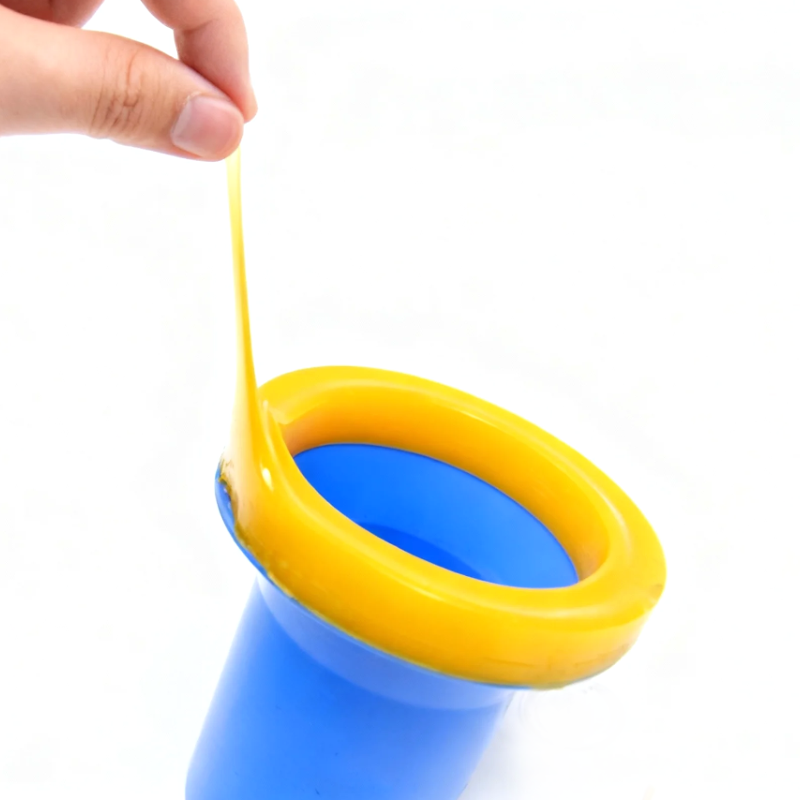
The toilet wax ring (or alternative polymer seal) is the first line of defense against sewer gases entering your bathroom. This small but critical component creates a tight seal between the toilet base and the floor flange. Over time, traditional wax rings can dry out, crack, or lose elasticity—especially in high-traffic commercial spaces—allowing foul-smelling sewer gases to seep into the room. Our premium wax rings are formulated with thick, durable materials that resist deterioration for 5+ years, while our high-elastic polymer seals offer even greater longevity and flexibility. For commercial clients like hotel chains, our upgraded triple-layer sealing flange with auto-backflow technology provides 360-degree protection against odors, bacteria, and pests, eliminating this common odor source.
Damaged or Misaligned Floor Flange
The floor flange (closet flange) connects the toilet to the drain pipe and supports the sealing component. A cracked, corroded, or misaligned flange can break the seal, creating gaps for sewer gases to escape. In older buildings or commercial spaces with frequent toilet use, flanges made from low-quality materials may wear out quickly. Our floor flanges are crafted from high-grade ABS engineering plastic or corrosion-resistant metal, ensuring stability and alignment for years. During installation, improper positioning of the flange can also lead to seal failure—our precision-engineered flanges feature alignment guides to simplify proper installation, reducing odor risks for both residential and commercial users.
Leaky Pipe Connections
Pipe connections under the sink, behind the toilet, or in the wall can develop leaks over time. Even small leaks create damp environments that foster mold and mildew growth, producing musty odors. Additionally, loose connections in drain pipes can allow sewer gases to escape. Our corrosion-resistant connection bolts and gaskets are designed to create watertight seals in pipe joints, preventing leaks and odor seepage. For commercial facilities like shopping malls or office buildings, regular inspection of these connections is crucial—our one-stop service includes all necessary replacement parts to address leaks quickly.
Drainage System Issues
Clogged Drains and Pipes
Clogged sinks, shower drains, or toilet traps are a major source of bathroom odors. Hair, soap scum, food particles, and other debris accumulate in drains, decomposing over time and releasing unpleasant smells. In commercial bathrooms, high usage increases the risk of clogs, as more waste passes through the system. Our plumbing solutions include tools and components designed to prevent clogs, such as drain strainers and smooth-walled pipes that reduce debris buildup. For existing clogs, regular cleaning with non-corrosive products (to avoid damaging pipes and seals) is recommended—our team advises commercial clients like hospitality venues on safe cleaning protocols to maintain drain health.
Dry P-Trap or S-Trap
Drain traps (P-traps or S-traps) hold a small amount of water that acts as a barrier against sewer gases. If a bathroom is unused for extended periods (common in rental units or guest rooms), the water in the trap can evaporate, allowing gases to enter. In commercial spaces like vacation rentals or office bathrooms with low traffic, this is a frequent issue. Our experts recommend running water in unused drains periodically to refill traps. For high-risk areas, we offer trap primers that automatically maintain water levels, ensuring continuous odor protection. This simple solution is especially valuable for real estate developers managing multiple rental properties.
Blocked Vent Pipes
Vent pipes on the roof allow sewer gases to escape outside, balancing pressure in the drainage system. If these pipes become blocked by leaves, debris, or bird nests, gases can’t exit and may back up into the bathroom. Blocked vents are often overlooked but can cause persistent, strong odors. In commercial buildings with complex plumbing systems, vent pipe blockages can affect multiple bathrooms. Our team assists commercial clients with vent pipe inspection and cleaning, and our durable drain components are designed to minimize debris buildup that can lead to blockages.
Toilet and Tank Fitting Problems
Running Toilet with Internal Leaks
A running toilet not only wastes water but can also produce odors. Internal leaks in the tank—caused by faulty fill valves, flappers, or washers—can lead to constant water flow into the bowl. This stagnant or slow-moving water becomes a breeding ground for bacteria, creating a stale smell. Our tank fittings are crafted from high-grade ABS engineering plastic with intelligent automatic shut-off mechanisms, preventing leaks and running toilets. For commercial clients like hotels, our durable tank components reduce maintenance calls related to running toilets and associated odors.
Cracked Toilet Bowl or Tank
A cracked toilet bowl or tank can harbor water and debris, leading to mold growth and unpleasant smells. Even small cracks, often caused by impact or age, can trap moisture and bacteria. In high-traffic commercial spaces, toilets are more prone to damage from heavy use or misuse. Our team recommends regular inspections for cracks, and our one-stop service includes replacement toilets and compatible components for quick repairs. For real estate developers, investing in durable, crack-resistant toilets paired with our reliable sealing solutions minimizes odor risks.
Loose Toilet Base
A wobbly or loose toilet base can break the seal between the toilet and the flange, allowing sewer gases and moisture to escape. This movement is often caused by loose bolts or an uneven floor. In commercial bathrooms with constant foot traffic, loose toilets are a common problem. Our corrosion-resistant stainless steel and brass bolts provide a secure fit, while our leveling shims help stabilize toilets on uneven surfaces. Proper installation with our precision components ensures the toilet remains tight, preventing odor-causing gaps.
Cleaning and Hygiene Oversights
Mold and Mildew Growth
Bathrooms are humid environments ideal for mold and mildew growth. These fungi thrive in damp areas like shower curtains, grout lines, under sinks, and around the toilet base, releasing musty odors. In commercial spaces like hotels, inadequate cleaning between guest stays can allow mold to spread quickly. Our sealing solutions, such as waterproof gaskets and caulk, reduce moisture buildup in hard-to-clean areas. We also advise clients to use mold-resistant cleaning products and maintain proper ventilation—key steps for preventing mold-related odors in both residential and commercial bathrooms.
Accumulated Grime and Bacteria
Grime, soap scum, and bacteria can accumulate in hard-to-reach areas: under the toilet seat, around faucet handles, and in sink overflow holes. Over time, this buildup decomposes, producing unpleasant smells. In commercial bathrooms, high usage means faster grime accumulation, requiring more frequent deep cleaning. Our bathroom accessories, such as easy-to-clean bidet sprayers, simplify hygiene maintenance—housekeeping staff in hotels use our sprayers to reach tight spaces and remove grime without harsh chemicals. For homeowners, our cleaning guides highlight problem areas and effective, gentle cleaning methods.
Neglected Trash and Waste Bins
Trash bins in bathrooms often hold used tissues, cotton swabs, or other waste that decomposes quickly, especially in humid conditions. In commercial spaces like office buildings, infrequent trash emptying can lead to strong odors. Our team recommends using lidded trash bins and emptying them daily in high-traffic areas. For residential users, small, easily accessible bins encourage regular emptying, reducing odor buildup. Additionally, our bidet sprayers reduce reliance on toilet paper, cutting down on waste volume and associated smells.
Poor Ventilation and Air Circulation
Inadequate Exhaust Fan Performance
Exhaust fans remove moisture and odors from the bathroom, but poorly functioning or undersized fans fail to circulate air effectively. In residential bathrooms, small or outdated fans may not handle humidity from showers, while commercial spaces like malls may have overworked fans that can’t keep up with demand. Our experts advise selecting exhaust fans sized for the bathroom square footage and ensuring regular maintenance (cleaning fan blades, checking ductwork) to keep them running efficiently. For commercial clients, we offer ventilation solutions that complement our plumbing products, creating a comprehensive odor-control system.
Lack of Natural Ventilation
Bathrooms without windows or with sealed windows rely entirely on mechanical ventilation. Stagnant air traps moisture and odors, creating a stuffy, unpleasant environment. In rental units or commercial bathrooms with limited natural light, this is a common issue. Our team recommends installing adjustable vents or improving ductwork to enhance air flow. For homeowners, opening windows when possible (even briefly) helps refresh the space—paired with our moisture-resistant sealing components, this reduces odor-causing mold growth.
Other Potential Sources
Faulty Water Heater
A malfunctioning water heater can produce rotten egg smells due to bacteria in the tank that break down sulfur compounds. This odor is often noticeable when hot water is used in the bathroom. In commercial buildings with large water heaters, this issue can affect multiple bathrooms. Our team advises regular water heater maintenance, including flushing the tank to remove bacteria. For clients experiencing this odor, we can recommend compatible water treatment solutions to eliminate sulfur bacteria.
Sewer Line Issues
In rare cases, unpleasant bathroom odors may stem from problems in the main sewer line, such as clogs, cracks, or tree root intrusion. These issues can cause sewer gases to back up into multiple drains in the home or commercial building. Our commercial clients, such as real estate developers or facility managers, rely on our network of plumbing partners to inspect and repair sewer lines. Our sealing products ensure that any repairs maintain airtight connections, preventing future odor issues.
How to Resolve and Prevent Bathroom Odors
Regular Inspections and Maintenance
Proactive inspections of sealing components, drains, and toilet fittings can catch odor sources early. For residential users, monthly checks of the wax ring, pipe connections, and drains are recommended. Commercial clients like hotel chains benefit from scheduled maintenance programs—our team provides training for maintenance staff to identify common odor causes and address them quickly. Our durable products, such as 5+ year guaranteed seals and corrosion-resistant fittings, reduce the frequency of maintenance needs.
Invest in Quality Bathroom Components
Low-quality sealing products, pipes, or fittings are more prone to failure, leading to odors. Our premium wax rings, triple-layer flanges, and tank fittings are engineered to prevent leaks and gas escape, addressing the root causes of many odors. For commercial spaces, our bulk supply and custom packaging options make it easy to outfit multiple bathrooms with reliable components. Homeowners can trust our SGS-certified products to deliver long-lasting odor protection.
Follow Proper Cleaning and Ventilation Practices
Using mild, non-corrosive cleaners protects bathroom components while eliminating bacteria and mold. Regular cleaning of drains, toilet bases, and hard-to-reach areas prevents grime buildup. Ensuring proper ventilation—through exhaust fans or natural air flow—reduces moisture, discouraging mold growth and odor accumulation. Our team provides cleaning and maintenance guides for both residential and commercial clients, ensuring optimal use of our products.
Conclusion
Unpleasant bathroom odors rarely appear without a cause, and most stem from fixable issues like faulty seals, drainage problems, or maintenance oversights. By understanding these sources, homeowners and commercial facility managers can take targeted action to eliminate odors and prevent their return. Investing in quality components—such as our durable wax rings, triple-layer sealing flanges, and corrosion-resistant fittings—addresses the root causes of odors, while proactive maintenance and proper cleaning ensure long-term freshness.
At Your Toilet Parts, we bring 15+ years of expertise in solving bathroom challenges for clients worldwide. Our products are designed to prevent leaks, block odors, and withstand the demands of both residential and commercial use. With our one-stop service, including bulk supply, custom packaging, and DDP logistics, we make it easy for clients to access the solutions they need. Whether you’re dealing with persistent odors in a home bathroom or managing a large commercial space, our team is here to provide reliable products and expert guidance.
Don’t let bathroom odors compromise comfort or reputation. Contact us today to learn more about our odor-preventing solutions and how we can help you create a fresh, hygienic bathroom environment. With the right components and practices, you can eliminate unpleasant smells and enjoy a clean, inviting bathroom for years to come.

