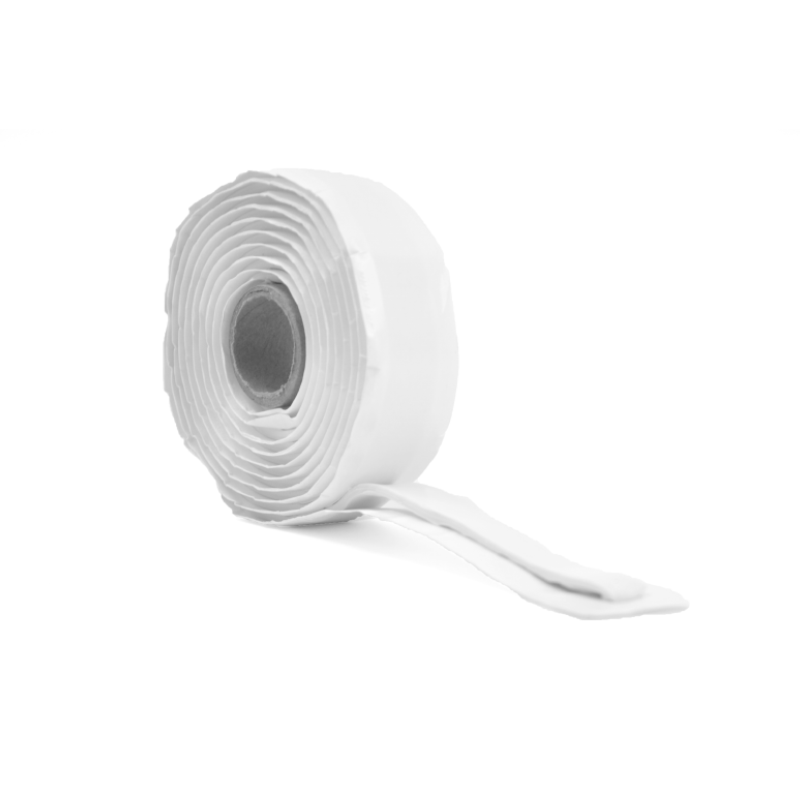
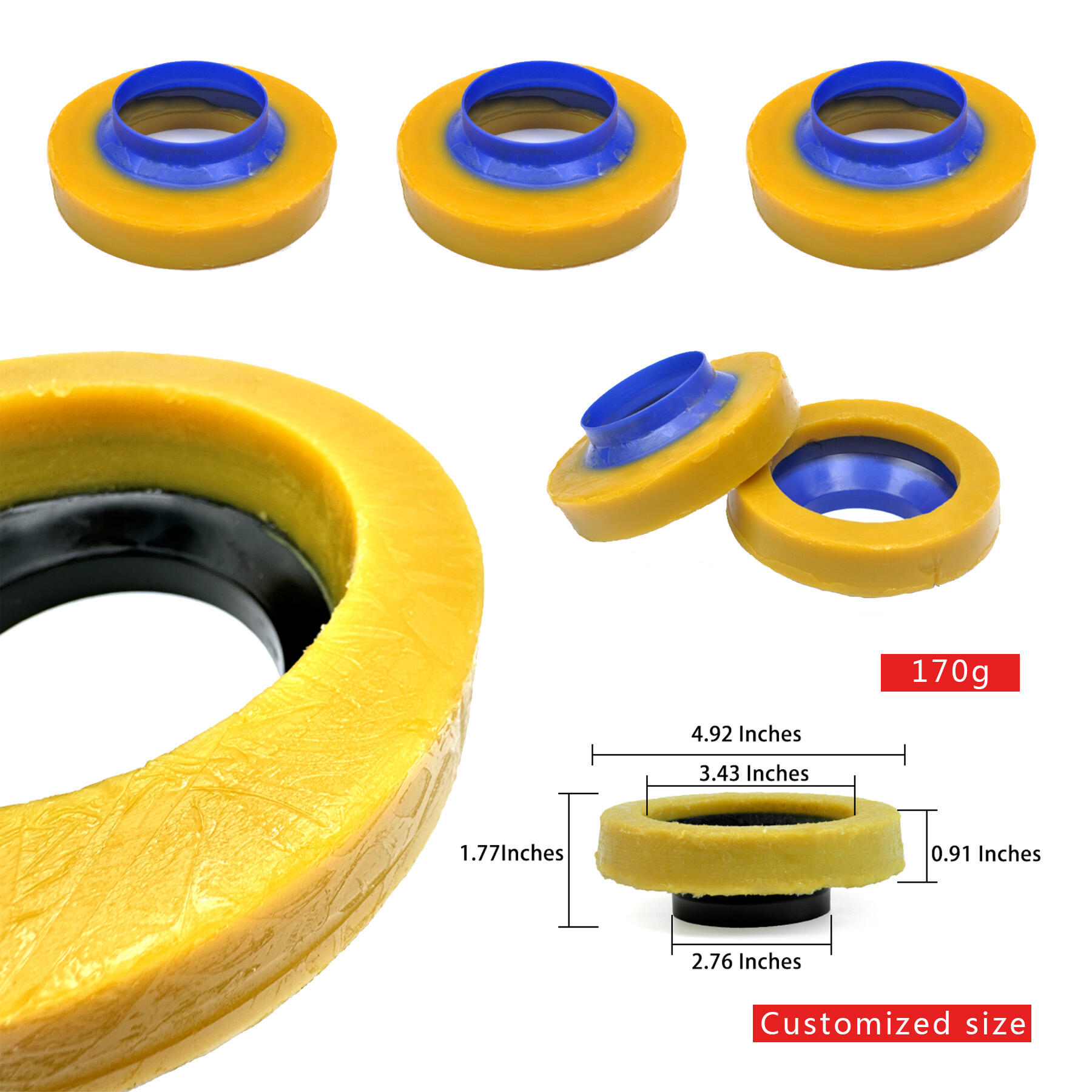
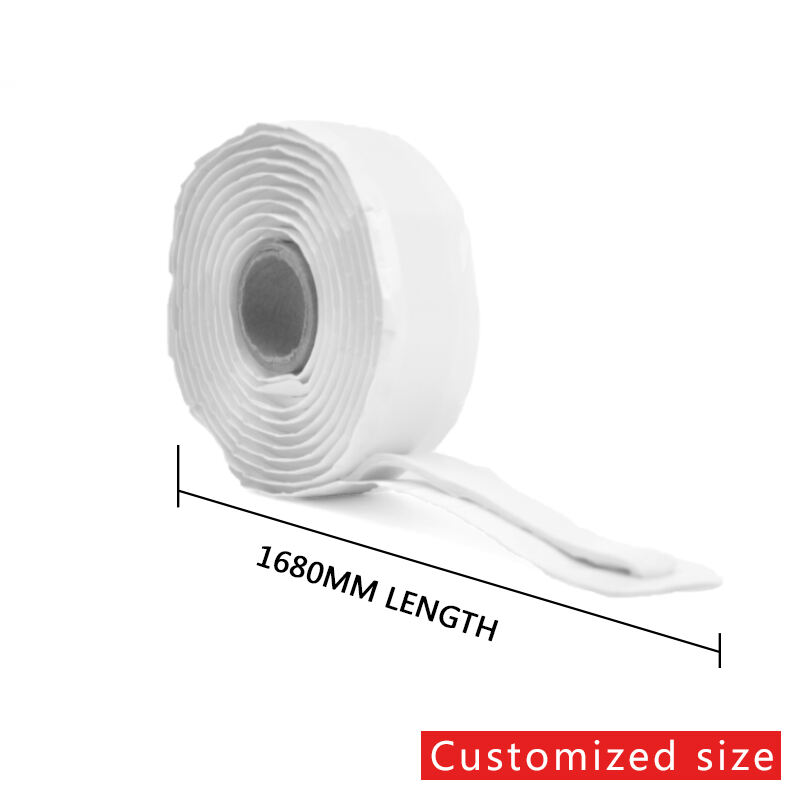
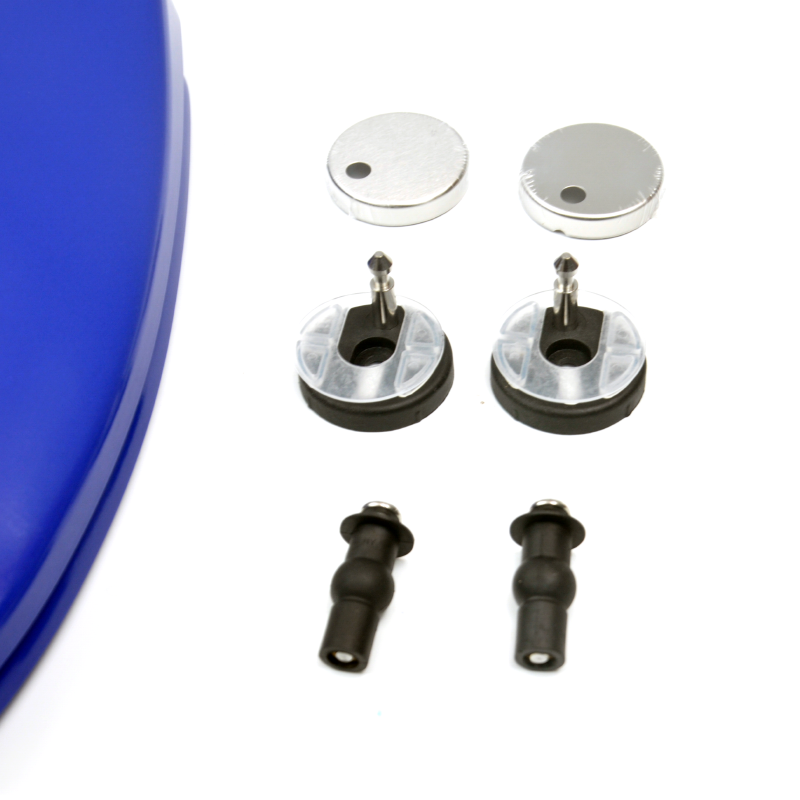
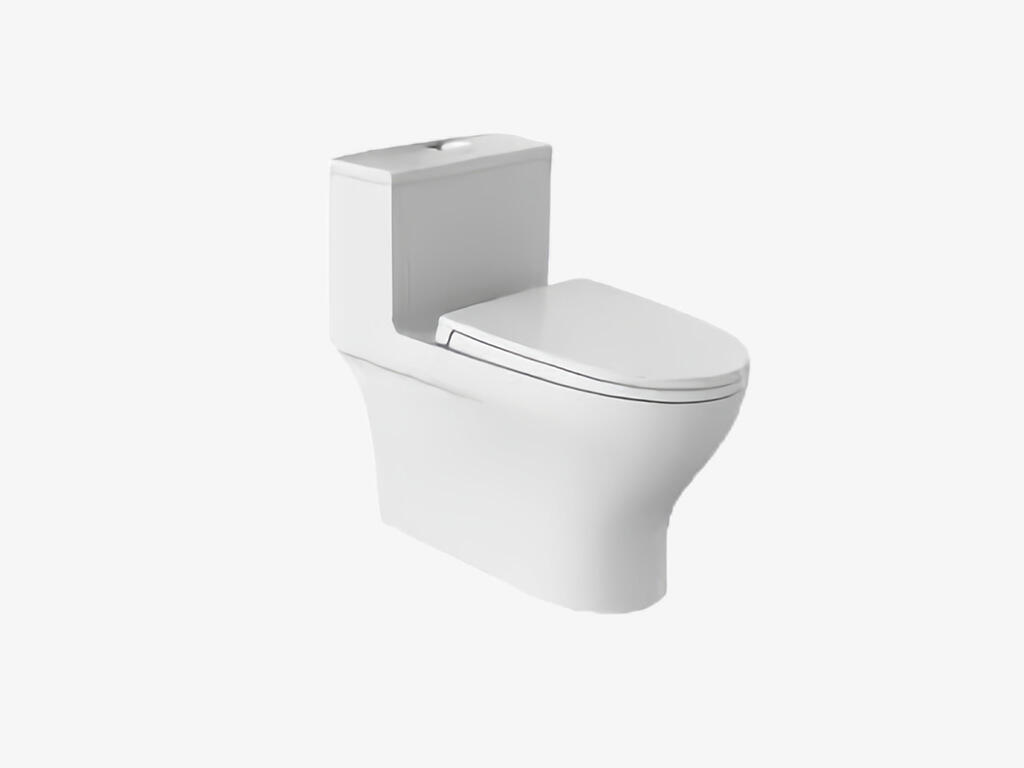
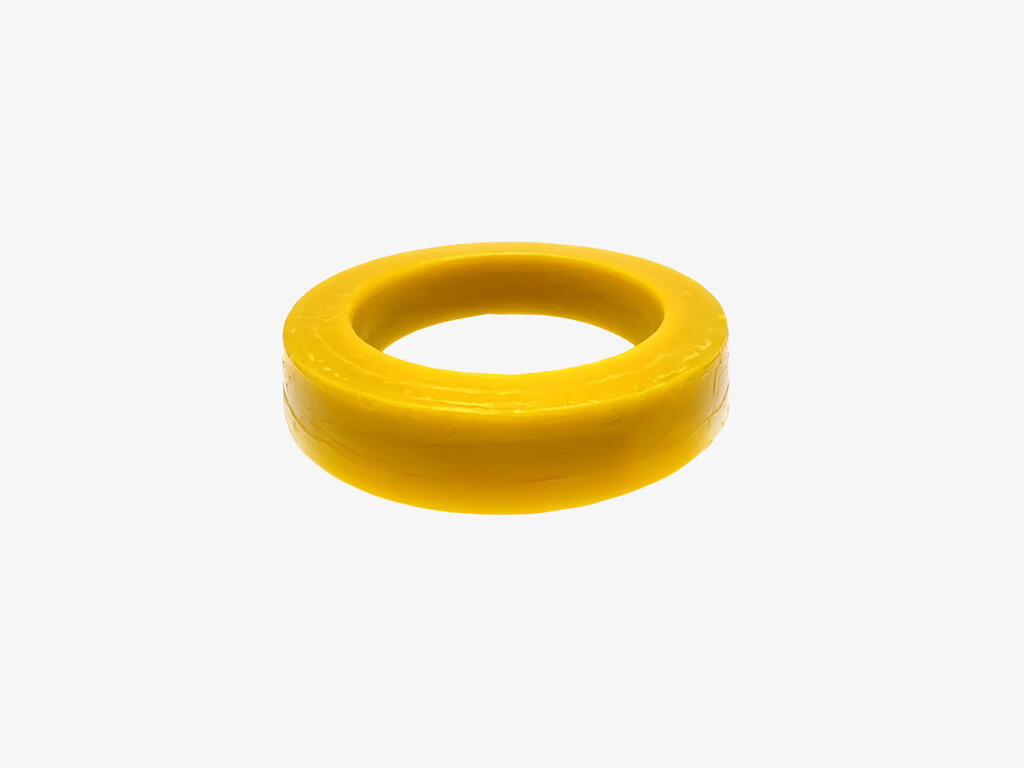
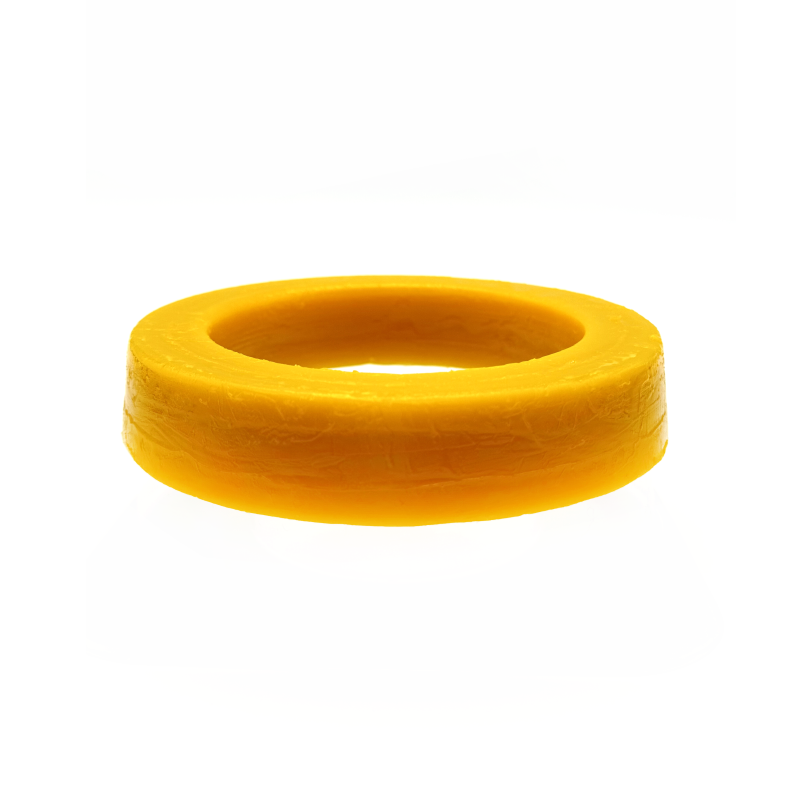
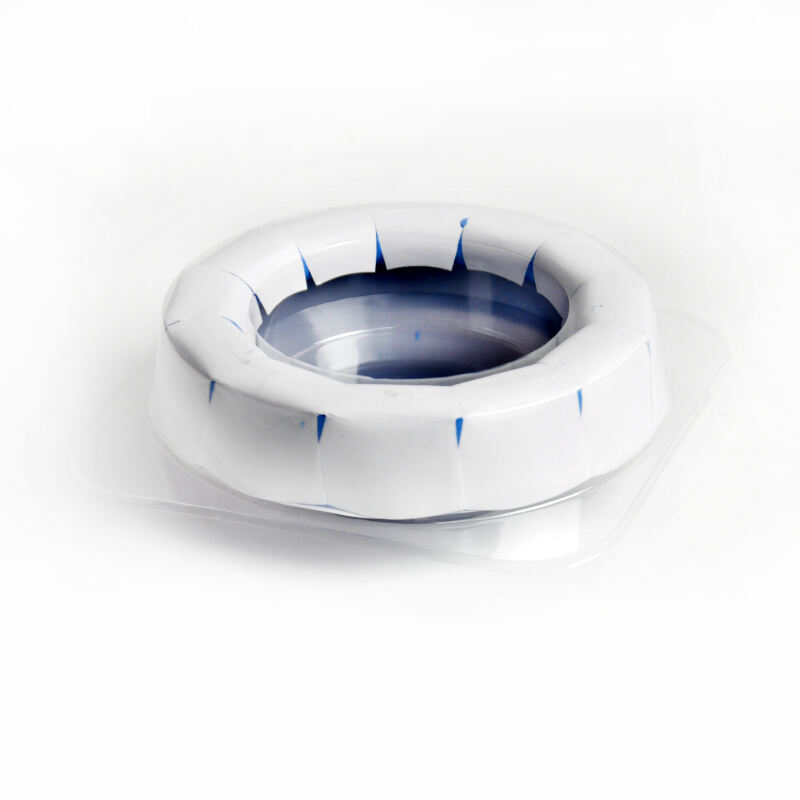
A toilet flange, the sturdy ring bolted to the floor surrounding the drain pipe, serves two critical functions: it provides a secure mounting point for the toilet bolts, and it creates a raised, level surface for the wax ring to compress against. However, in older homes, during renovations, or after damage, this flange can be completely missing, broken beyond repair, or the pipe itself may be a legacy material like lead that never had a modern flange. Attempting to use a standard wax ring in this scenario will almost certainly lead to failure—leaks, rocking toilets, and sewer gas odors. The solution is a purpose-built Wax Ring Without Flange, a product category designed explicitly for direct-to-pipe sealing where the intermediary mounting platform is absent.
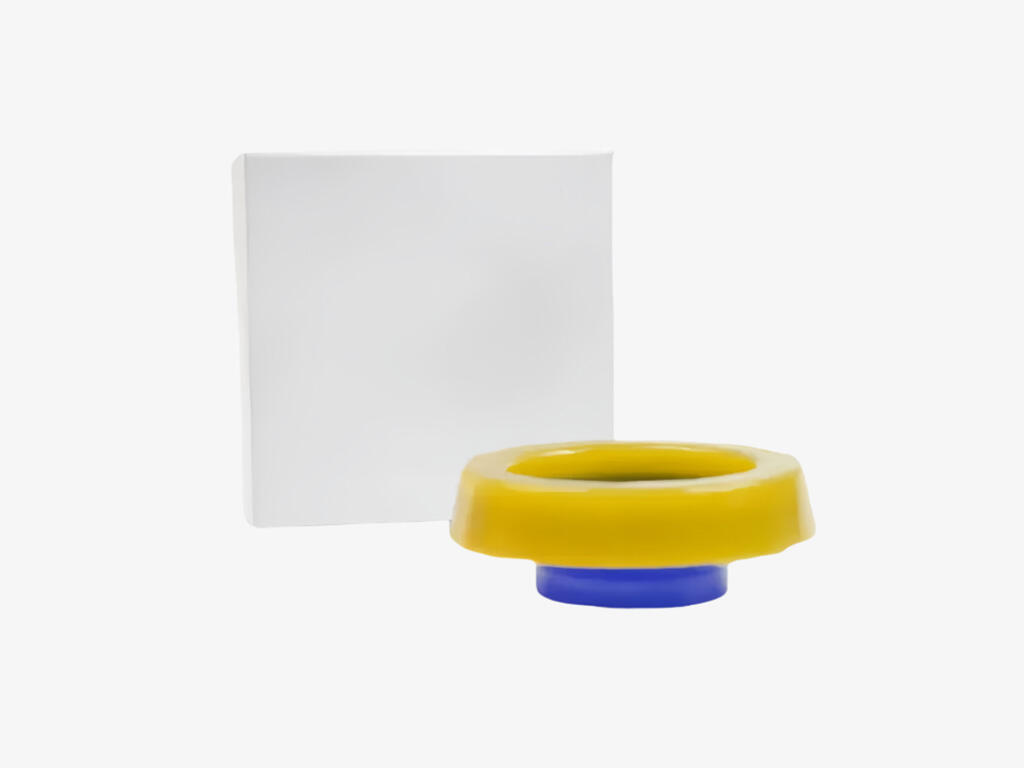
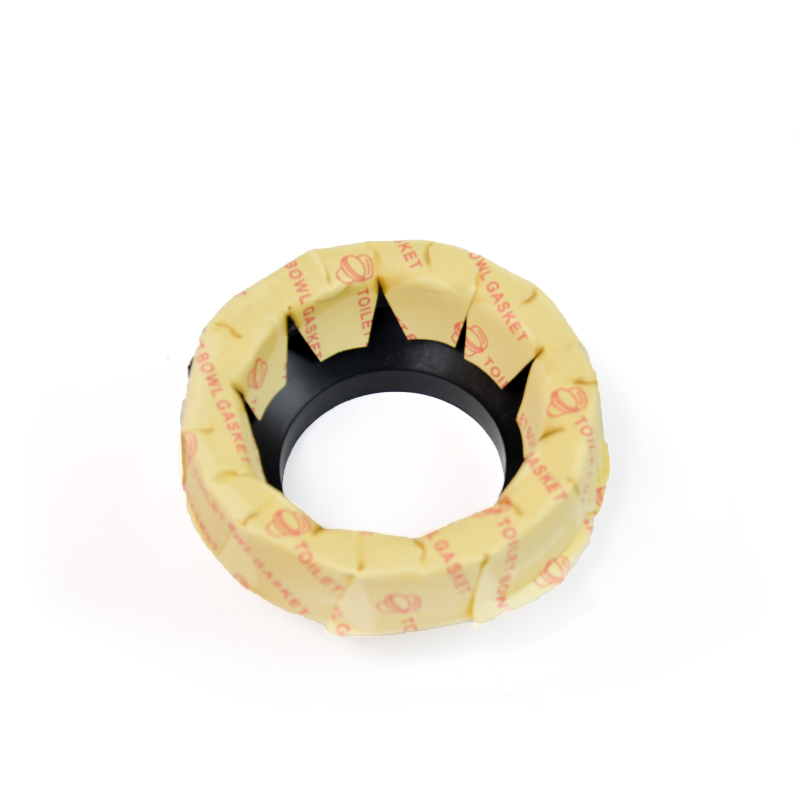
The engineering behind a successful Wax Ring Without Flange addresses several specific challenges. First is the gap span. The distance between the toilet's base and the pipe's rim is larger without a flange. Therefore, these specialty rings are manufactured with a much greater thickness and volume of sealing material. Second is alignment and stability. Standard rings rely on the flange for centering. Many flange-less wax rings incorporate a rigid plastic "horn" or extended sleeve that inserts directly into the pipe, centering the toilet and preventing the soft wax from being pushed inward and potentially causing a blockage. Third is conformability. The wax compound must be exceptionally soft and slow to set, allowing it to mold intimately to any imperfections on the old pipe's cut end, be it rough cast iron or beveled clay.
The application for a Wax Ring Without Flange is a clear diagnostic repair. A common case is a homeowner or plumber removing an old toilet to find a cracked, rusted-through cast-iron flange. Rather than embarking on the time-consuming, invasive job of chiseling out the old flange and installing a new one—which may require breaking floor tiles or concrete—a professional may opt for a repair flange (which sits on top of the old pipe) paired with a thick, horned wax ring designed for this purpose. In historic properties with original lead soil pipes, installing a modern plastic flange is often inadvisable; using a thick, horned wax ring to create a direct seal is the standard, preservation-friendly practice. It is also a valuable temporary fix in construction settings or for quickly making a toilet operational while waiting for more extensive parts.
It is crucial to understand that a Wax Ring Without Flange is part of a repair strategy, not a universal replacement for a proper flange. Its success depends on the remaining pipe being sound, level, and capable of supporting the toilet's weight indirectly. For long-term installations, it is often recommended to use a stainless-steel repair ring that bolts to the floor in conjunction with an extra-thick wax seal, restoring both the sealing and mounting functions. This highlights the need for the right component combination.
Our company's deep-rooted expertise in material formulation and custom molding since 2007 is directly applicable to developing these specialized sealing solutions. We produce wax and polymer compounds with specific viscosities and melting points to perform in demanding, non-standard applications. For distributors and trade professionals who regularly encounter these flange-less dilemmas, having access to a reliably manufactured, high-volume Wax Ring Without Flange is a necessity. We offer products designed to meet this specific need. To ensure you select the optimal product configuration—considering pipe material, diameter, and the condition of the surrounding floor—we recommend contacting our experienced sales team. They can provide detailed guidance on our product specifications and compatible repair solutions.
 EN
EN