 EN
EN

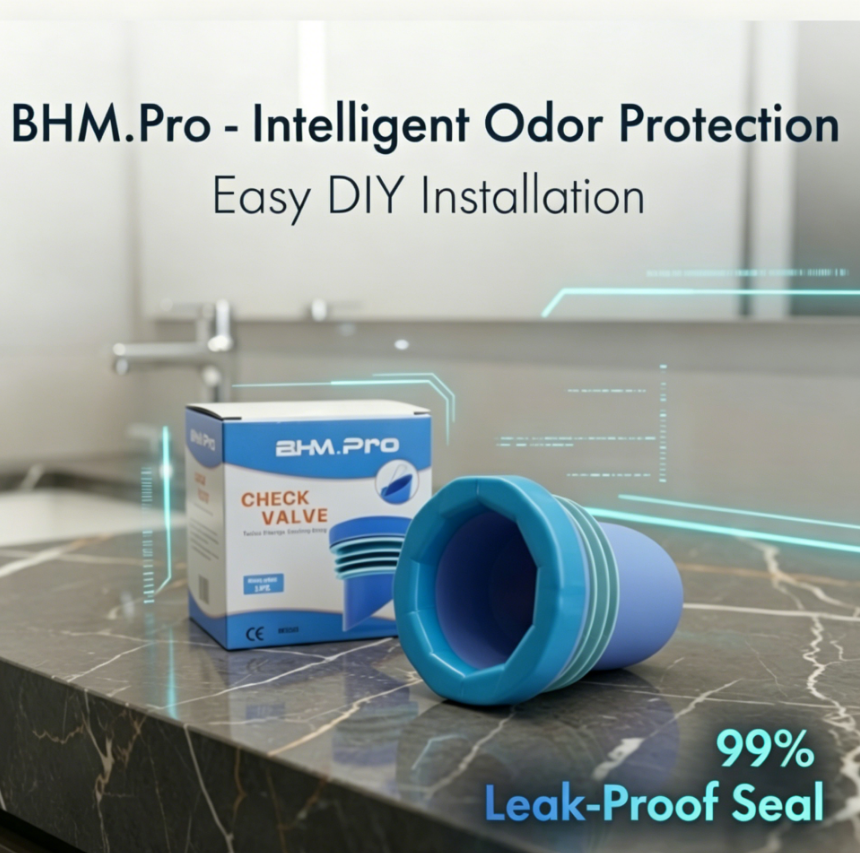
If you’re a renovation contractor, hardware retailer, or wholesale distributor, you’ve probably dealt with this scenario more than once: A seemingly perfect bathroom remodel turns into a nightmare when the toilet starts leaking weeks later.
Most people point fingers at cracked porcelain or faulty pipes, but the real culprit is often hiding in plain sight: a low-quality or improperly installed toilet flange gasket.
Why Flange Gaskets Fail
The flange gasket is the unsung hero of any toilet installation. It sits between the base of the toilet and the floor drain flange, creating a water-tight seal that prevents leaks, sewer gases, and odors from escaping.
When it fails, you’re not just dealing with a small drip. You’re looking at:
- Floor rot and mold growth
- Warped or damaged subflooring
- Sewer gas odors that won’t go away
- Costly rework that delays projects and frustrates customers
Common Causes of Leaks
-
Poor Material Quality Cheap gaskets use low-grade rubber that hardens, cracks, or degrades quickly with constant water exposure. They might work for a few months, but they won’t stand the test of time.
-
Incorrect Installation Even the best gasket will fail if it’s not installed right. Misaligned toilets, uneven floors, or overtightened bolts can compress theain gasket unevenly, leaving gaps that cause leaks.
-
Aging and Wear Over time, even good gaskets lose their elasticity. Hard water, cleaning chemicals, and constant use can break down the material, leading to slow, hidden leaks.
How to Avoid Costly Rework
1. Choose Gaskets Built to Last
Not all flange gaskets are created equal. Look for these features when sourcing:
- Durable rubber or wax-free materials that resist hardening
- Tapered or self-centering designs that fit snugly
- Leak-proof seals that work on uneven floors
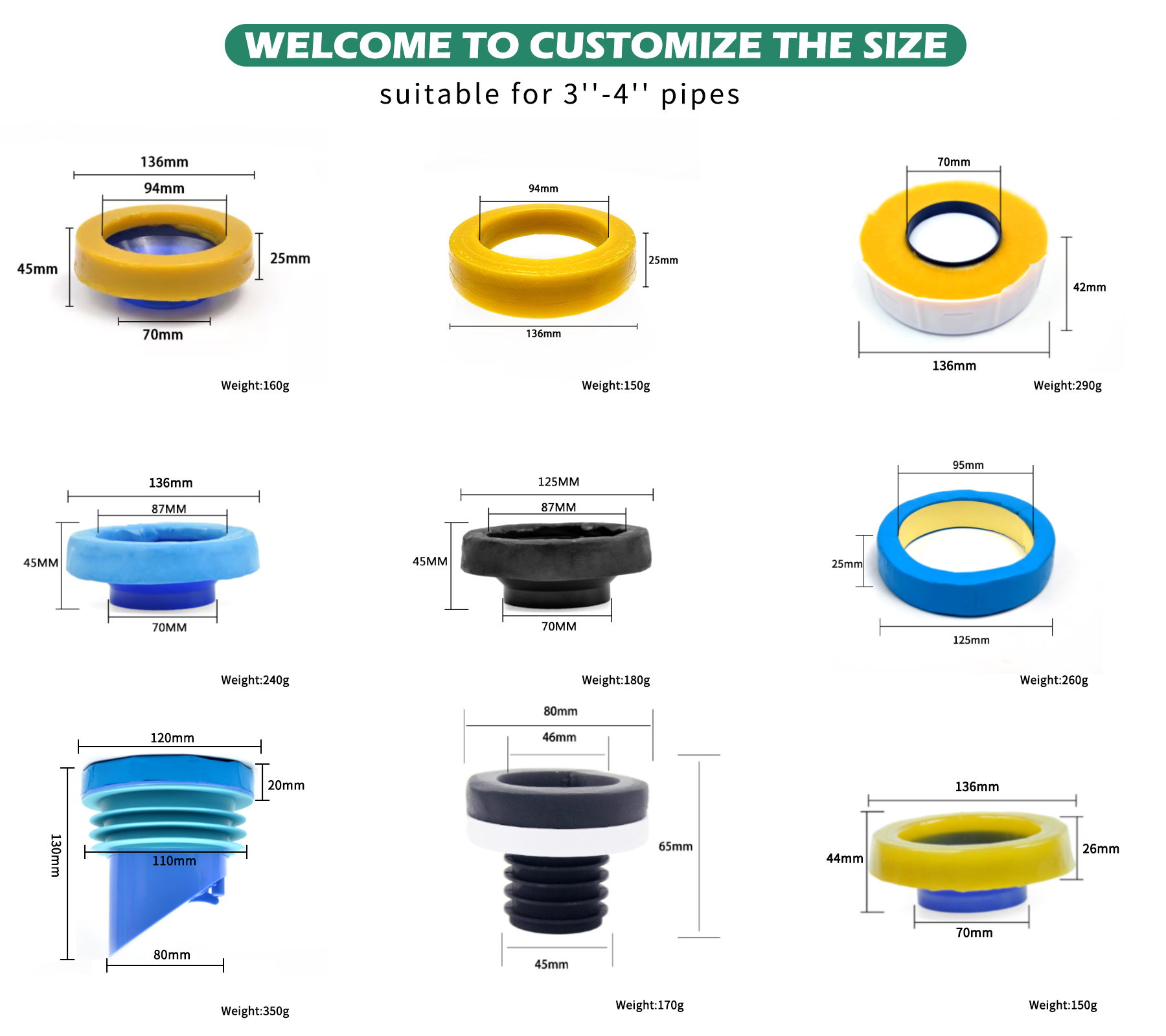
- Compatibility with standard 3-inch and 4-inch flanges
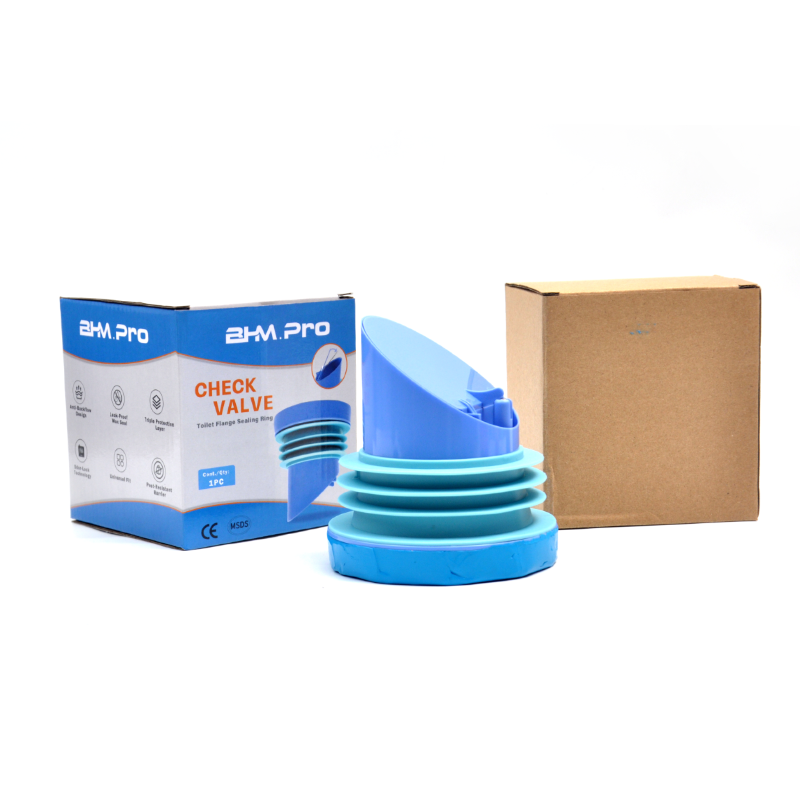
At Pro-made, our high-quality toilet seal rings are engineered for long-term performance. They’re made from premium rubber that stays flexible, even after years of use, so you can install them once and forget about leaks.
2. Follow These Installation Best Practices
- Always clean the flange thoroughly before installing a new gasket
- Center the gasket on the flange to ensure an even seal
- Don’t overtighten the toilet bolts — this can warp the base and damage the gasket
- Check for wobble after installation; a loose toilet will break the seal over time
3. Test for Leaks Before You Finish
After installation, pour a bucket of water into the toilet and check the base for any moisture. It takes 5 minutes, but it can save you hours of headaches later.
Why This Matters for Your Business
As a contractor or retailer, your reputation depends on the quality of your work. Using cheap gaskets might save a few dollars upfront, but it can cost you far more in callbacks, negative reviews, and lost customers.
By choosing a reliable, leak-proof gasket, you’re not just installing a part — you’re giving your customers peace of mind. And when they don’t have to deal with leaks, they’ll come back to you for their next project.
If you’re looking for high-quality toilet flange gaskets that reduce callbacks and keep your customers happy, Pro-made is here to help. Contact us today to learn more about our wholesale options.

