 EN
EN

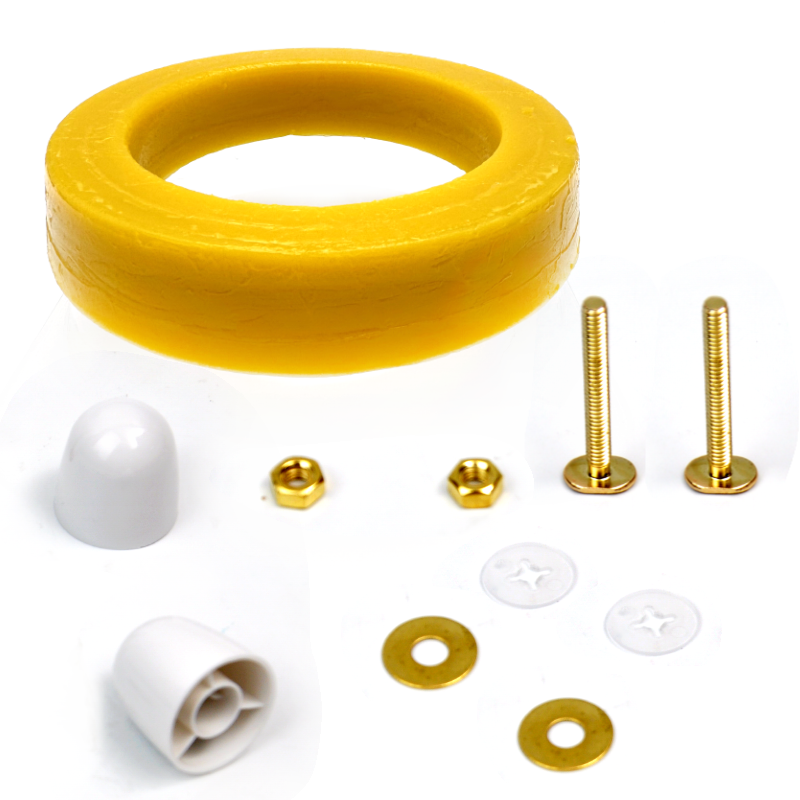
Commercial environments such as hotels, office buildings, shopping malls, and rental properties have unique demands when it comes to bathroom fixtures. Among these essential components, toilet bolts play a critical role in securing toilets firmly to the floor, ensuring stability and preventing leaks. However, commercial bathrooms are typically high-traffic areas with constant exposure to water, moisture, and cleaning chemicals, making the choice of toilet bolt material a decision that directly impacts durability, safety, and maintenance costs. Choosing the wrong material can lead to rust, corrosion, loosening, and even costly water damage or replacements. With over 15 years of experience in providing bathroom solutions for diverse commercial clients worldwide, we understand the challenges of wet commercial environments and the importance of selecting the right toilet bolt materials. In this blog, we will explore the key factors to consider when choosing toilet bolts for wet commercial spaces, analyze the most suitable materials, and highlight why quality and material selection matter for long-term performance.
Key Considerations for Wet Commercial Environments
High Moisture and Water Exposure
Commercial bathrooms experience continuous moisture from flushing, hand washing, and cleaning routines. Unlike residential bathrooms, which may have lower usage rates, commercial facilities often have toilets in use throughout the day, leading to persistent dampness around the base of the toilet. This constant exposure to water means toilet bolts must resist rust and corrosion, as even minor deterioration can compromise their structural integrity.
Frequent Cleaning and Chemical Exposure
Commercial spaces require regular and thorough cleaning to maintain hygiene standards. Cleaning products often contain harsh chemicals such as bleach, disinfectants, and acidic solutions that can degrade certain materials over time. Toilet bolts must be resistant to these chemicals to avoid discoloration, weakening, or breakdown, which could result in loose toilets and potential safety hazards.
High Traffic and Durability Demands
Commercial bathrooms serve a large number of users daily, putting additional stress on toilet fixtures. Toilet bolts must be strong enough to withstand repeated use, occasional impacts, and the weight of the toilet and users. A durable material ensures that the bolts remain secure over time, reducing the need for frequent repairs or replacements and minimizing downtime for maintenance.
Compliance and Safety Standards
Commercial buildings must adhere to strict safety and building codes to ensure the well-being of users. Toilet bolts that fail can lead to unstable toilets, which pose trip hazards or even cause toilets to tip over. Choosing materials that meet industry standards, such as those certified by SGS, ensures compliance and provides peace of mind that the fixtures are safe for high-traffic environments.
Top Materials for Toilet Bolts in Wet Commercial Spaces
Stainless Steel
Stainless steel is one of the most popular choices for toilet bolts in wet commercial environments, and for good reason. It is renowned for its exceptional resistance to rust and corrosion, even when exposed to constant moisture and cleaning chemicals. The key to stainless steel’s durability lies in its chromium content, which forms a protective oxide layer on the surface, preventing oxidation and deterioration.
For commercial applications, 304 and 316 grade stainless steel are the most recommended options. 304 stainless steel offers excellent corrosion resistance in most wet environments, making it suitable for standard commercial bathrooms. 316 stainless steel, often referred to as marine-grade stainless steel, provides enhanced resistance to saltwater and harsh chemicals, making it ideal for commercial spaces near coastal areas or those that use aggressive cleaning products.
Our stainless steel toilet bolts are precision-manufactured to meet the demands of high-traffic commercial settings. They feature a secure threading design that ensures a tight fit, preventing loosening over time. Additionally, they are compatible with all standard toilet models and drain pipes (3-4 inches), making them a versatile solution for various commercial projects, from hotels to office buildings.
Brass
Brass is another excellent material choice for toilet bolts in wet commercial environments. It is a copper-zinc alloy that offers natural resistance to corrosion and moisture, making it durable and long-lasting. Brass toilet bolts are known for their strength and reliability, and they develop a natural patina over time that does not affect their performance.
One of the key advantages of brass is its compatibility with a wide range of cleaning chemicals, making it suitable for commercial spaces that require frequent sanitization. Brass bolts also have excellent thermal conductivity, which helps prevent expansion and contraction due to temperature changes in wet environments, reducing the risk of loosening or cracking.
Our brass toilet bolts are crafted with high-quality alloy materials to ensure maximum strength and durability. They are designed with a smooth finish that resists buildup of dirt and grime, making cleaning easier and maintaining hygiene standards. Brass bolts are an ideal choice for luxury commercial spaces such as high-end hotels and resorts, where both performance and aesthetics matter.
ABS Engineering Plastic
For commercial environments looking for a lightweight yet durable alternative, ABS engineering plastic is a top contender. ABS (Acrylonitrile Butadiene Styrene) is a high-grade polymer known for its exceptional impact resistance, corrosion resistance, and longevity. Unlike metal bolts, ABS plastic bolts do not rust or corrode, even when exposed to constant moisture and harsh chemicals.
ABS engineering plastic is also highly versatile, allowing for precise manufacturing of bolts that fit perfectly with various toilet models. Our ABS toilet bolts feature an intelligent design that includes a secure locking mechanism, ensuring a tight and stable fit that withstands high traffic. Additionally, ABS plastic is cost-effective, making it a budget-friendly option for large commercial projects such as apartment complexes and office buildings.
Another benefit of ABS engineering plastic is its resistance to temperature fluctuations, which is particularly important in commercial bathrooms where heating and cooling systems may cause frequent changes in temperature. This resistance prevents warping or cracking, ensuring the bolts maintain their structural integrity for years to come.
Benefits of Choosing the Right Material
Reduced Maintenance Costs
Selecting the right material for toilet bolts in wet commercial environments significantly reduces maintenance and replacement costs. Materials such as stainless steel, brass, and ABS engineering plastic are designed to last for years, even in harsh conditions, minimizing the need for frequent repairs. This not only saves money but also reduces downtime, as commercial spaces can avoid the inconvenience of closing bathrooms for maintenance.
Enhanced Safety and Stability
Durable, corrosion-resistant bolts ensure that toilets remain securely fastened to the floor, preventing wobbling or tipping. This is crucial in high-traffic commercial environments, where unstable toilets pose safety risks to users. By choosing the right material, business owners can ensure the safety of their customers and employees, avoiding potential accidents and liability issues.
Improved Hygiene
Toilet bolts made from corrosion-resistant materials are easier to clean and maintain, helping to uphold hygiene standards in commercial bathrooms. Rust, corrosion, and material breakdown can create crevices where dirt and bacteria accumulate, compromising cleanliness. High-quality materials resist such buildup, ensuring that bathrooms remain sanitized and safe for use.
Long-Term Performance and Reliability
Commercial investments require long-term solutions, and toilet bolts are no exception. Materials like stainless steel, brass, and ABS engineering plastic are built to withstand the rigors of wet commercial environments, providing reliable performance for years. Our products, backed by over 15 years of manufacturing experience, come with a guarantee of preventing leaks and cracks for 5+ years, ensuring peace of mind for commercial clients.
Case Studies: Successful Applications
Hotel Chain Renovation Project
A major hotel chain with properties across Europe recently undertook a bathroom renovation project, requiring toilet bolts that could withstand high moisture, frequent cleaning, and constant use. After evaluating various materials, they chose our 316 stainless steel toilet bolts for their corrosion resistance and durability. The bolts were installed in over 500 hotel bathrooms, and after two years of use, there have been no reports of rust, loosening, or failures. The hotel’s maintenance team noted that the bolts are easy to clean and have required no replacements, resulting in significant cost savings.
Southeast Asia Commercial Complex
A large commercial complex in Southeast Asia, which includes shopping malls, offices, and food courts, needed toilet bolts for 1,000+ bathroom stalls. The complex is located in a humid climate with frequent rain, making moisture resistance a top priority. They selected our ABS engineering plastic toilet bolts for their lightweight design, corrosion resistance, and cost-effectiveness. The bolts were delivered within 13 days as part of a large order, and they have performed exceptionally well in the wet environment. The complex’s facility manager praised the bolts for their stability and ease of installation, noting that they have reduced maintenance time and costs.
Rental Property Development
A real estate developer specializing in rental properties across 30+ countries needed reliable toilet bolts for their new apartment buildings. The developer required bolts that could withstand the wear and tear of tenant turnover and frequent cleaning. They opted for our brass toilet bolts, which offer a balance of durability, corrosion resistance, and aesthetic appeal. The brass bolts have maintained their performance through multiple tenant changes, and the developer has received positive feedback on the stability and reliability of the bathroom fixtures.
Conclusion
Choosing the right material for toilet bolts in wet commercial environments is a decision that impacts durability, safety, maintenance costs, and hygiene. Stainless steel, brass, and ABS engineering plastic stand out as the most suitable materials, each offering unique advantages to meet the demands of high-traffic, moisture-prone commercial spaces. Whether you are managing a hotel, office building, shopping mall, or rental property, selecting high-quality toilet bolts from a trusted supplier is essential.
At Your Toilet Parts, we bring over 15 years of experience in providing bathroom solutions for commercial clients worldwide. Our toilet bolts are crafted from premium materials, tested to meet strict industry standards, and designed to withstand the rigors of wet commercial environments. We offer a wide range of options to suit different needs, from corrosion-resistant stainless steel to cost-effective ABS engineering plastic, and provide OEM/ODM services to customize solutions for your specific project. With our one-stop service, including DDP logistics, custom packaging, and fast delivery, we make it easy for commercial clients to get the right products at competitive prices.
Investing in the right toilet bolt material is an investment in the long-term performance and safety of your commercial bathroom. By choosing materials that resist rust, corrosion, and chemical damage, you can reduce maintenance costs, enhance hygiene, and ensure a safe and reliable experience for users. Contact us today to learn more about our toilet bolt options and how we can support your commercial project.

