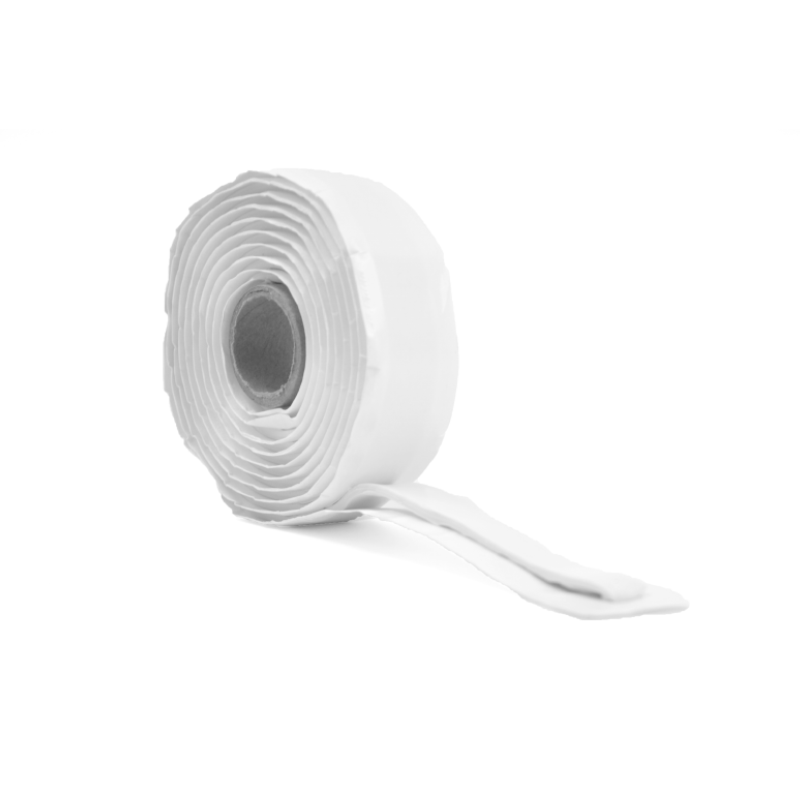
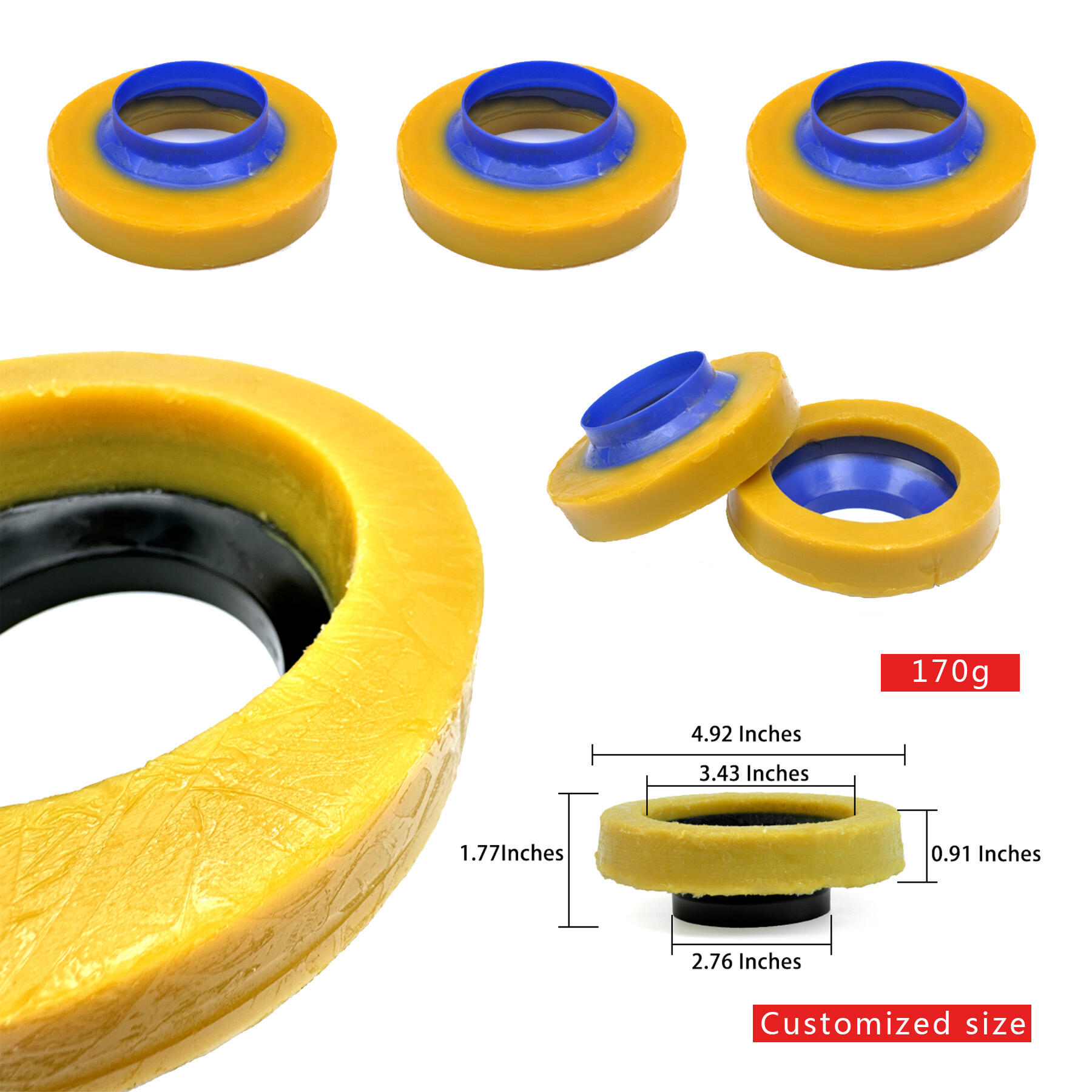
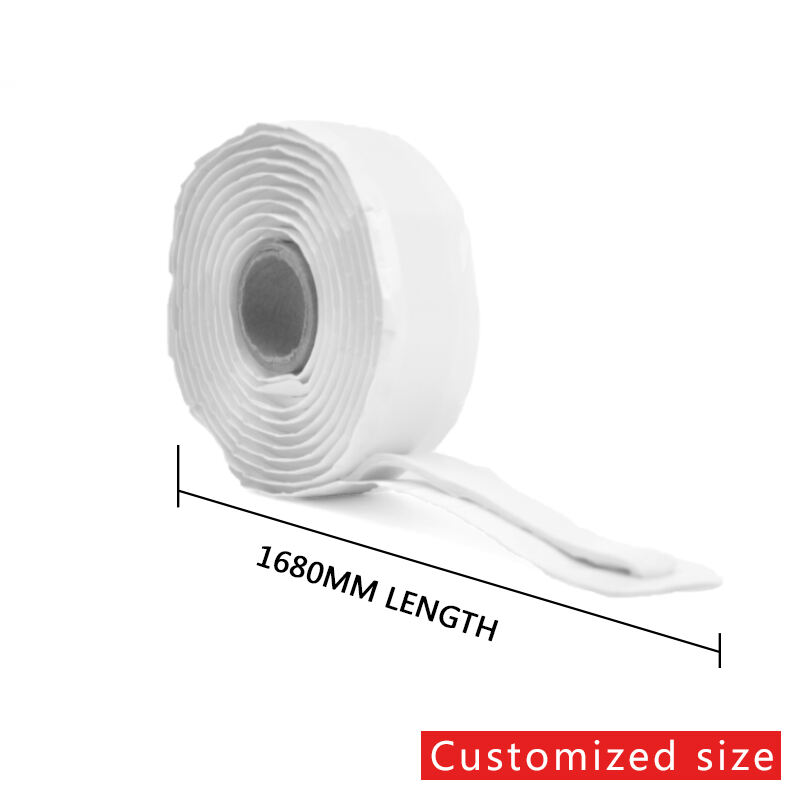
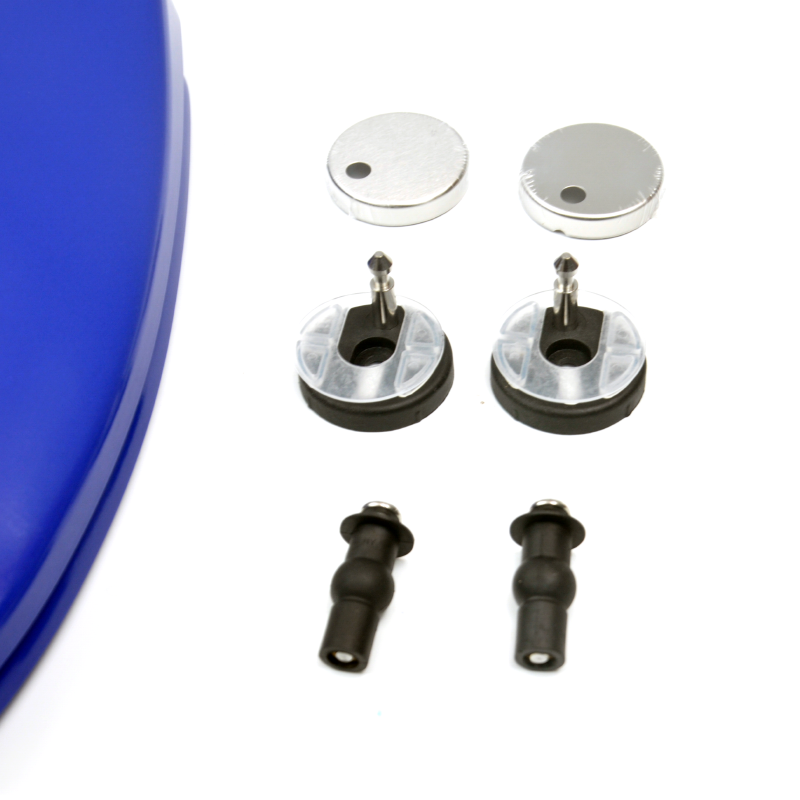
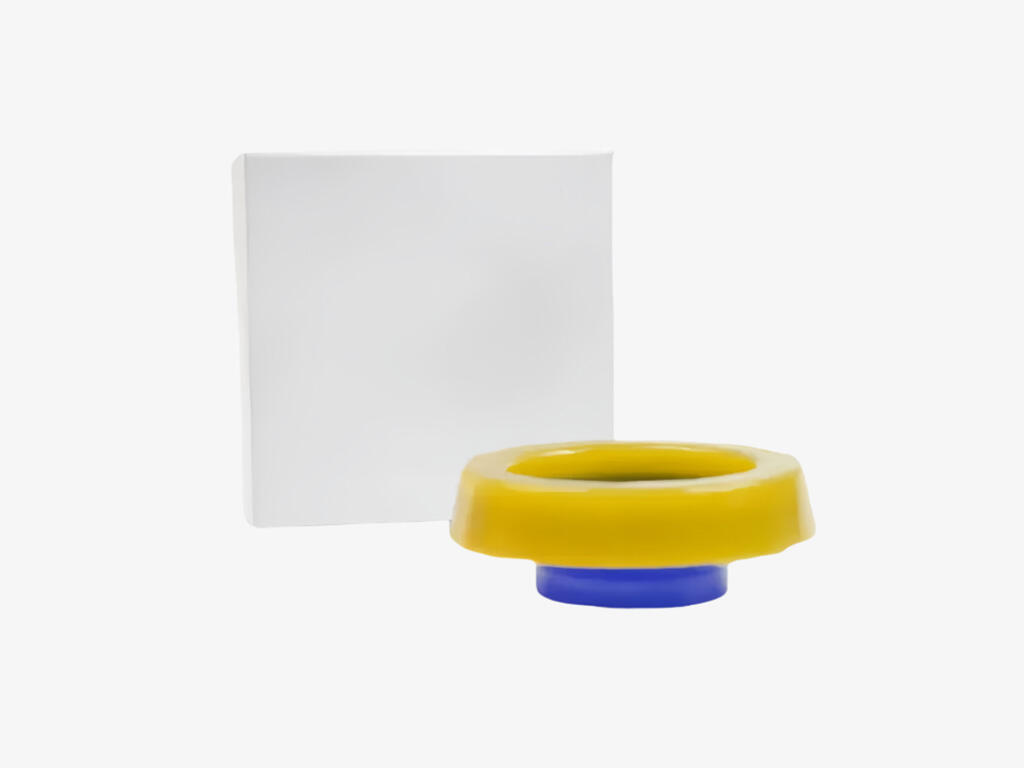
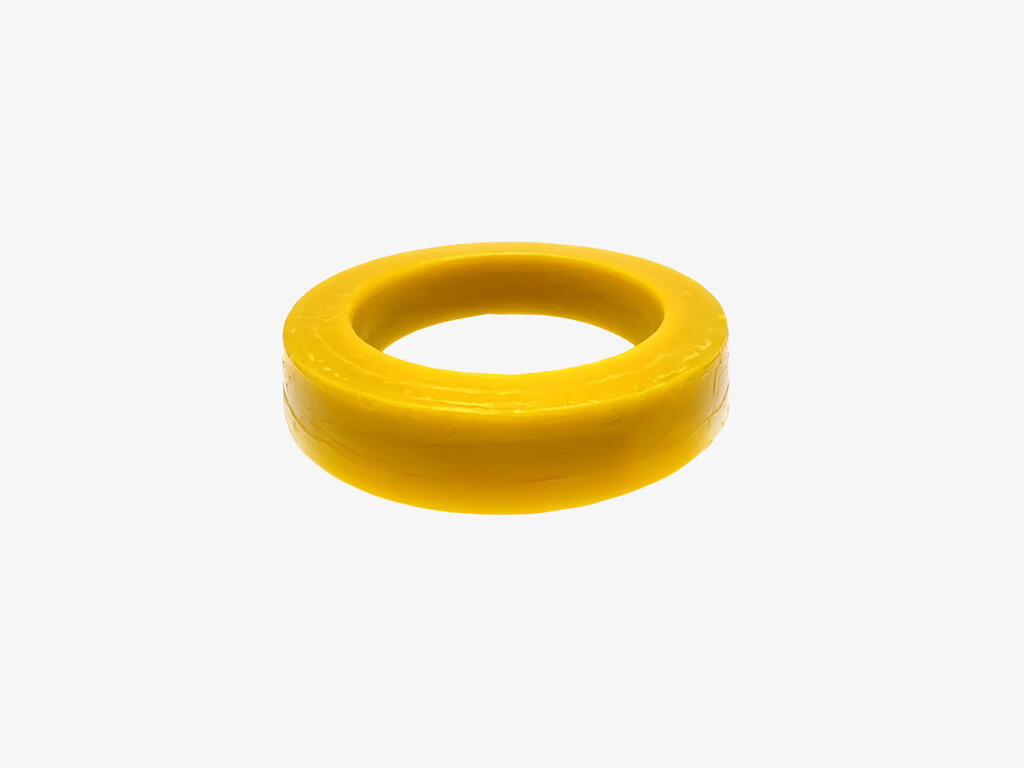
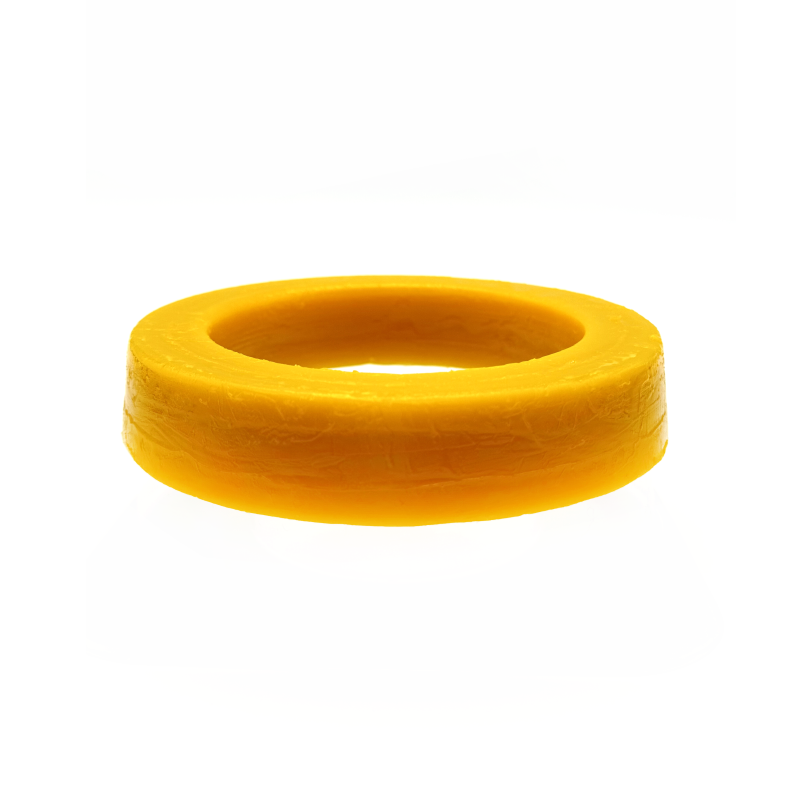
Installing or resealing a toilet in a building with aging plumbing is a task that separates novice DIY efforts from professional-grade work. The core challenge lies in creating a perfect, watertight seal on a drain system that was not manufactured to modern tolerances. A standard, off-the-shelf wax or rubber seal is designed for ideal conditions: a level floor, a flush, undamaged flange, and a perfectly round pipe. Old Pipes, however, defy these ideals. They are often cast iron, which can corrode and become pitted or uneven. The surrounding floor may have settled or been layered with new tile over old subfloor, creating a significant gap. The original flange might be broken, recessed below the floor level, or completely missing. Using a conventional Toilet Seal in this scenario is the most common cause of persistent, mysterious leaks that damage subfloors and cause ceiling stains in rooms below.
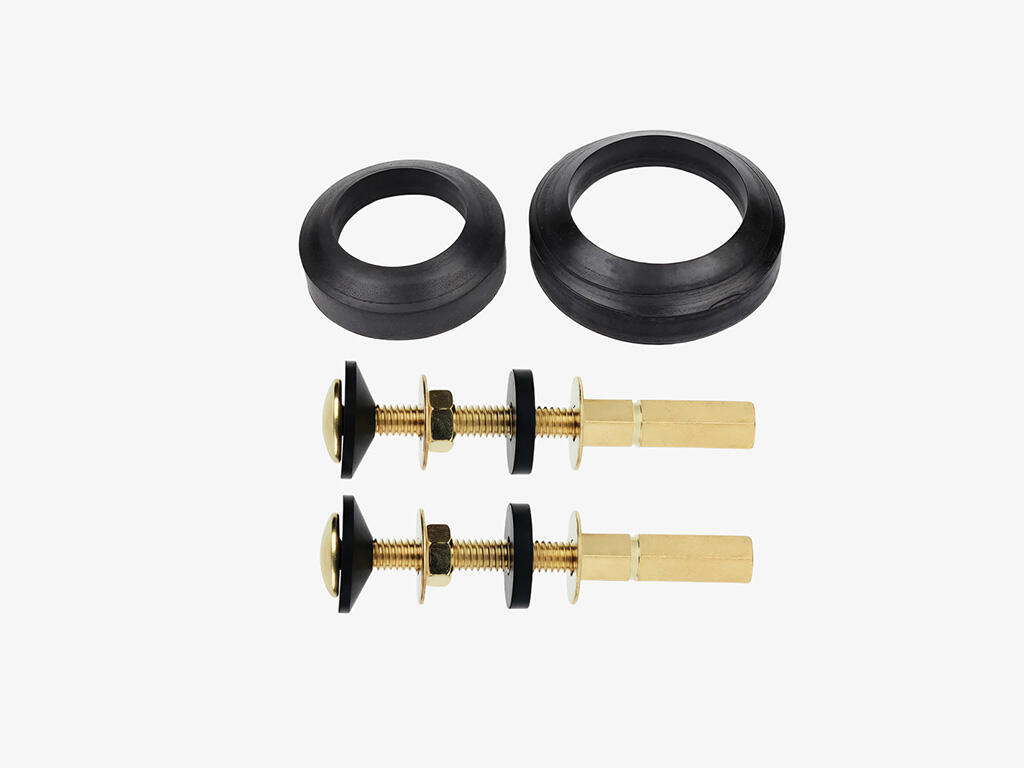
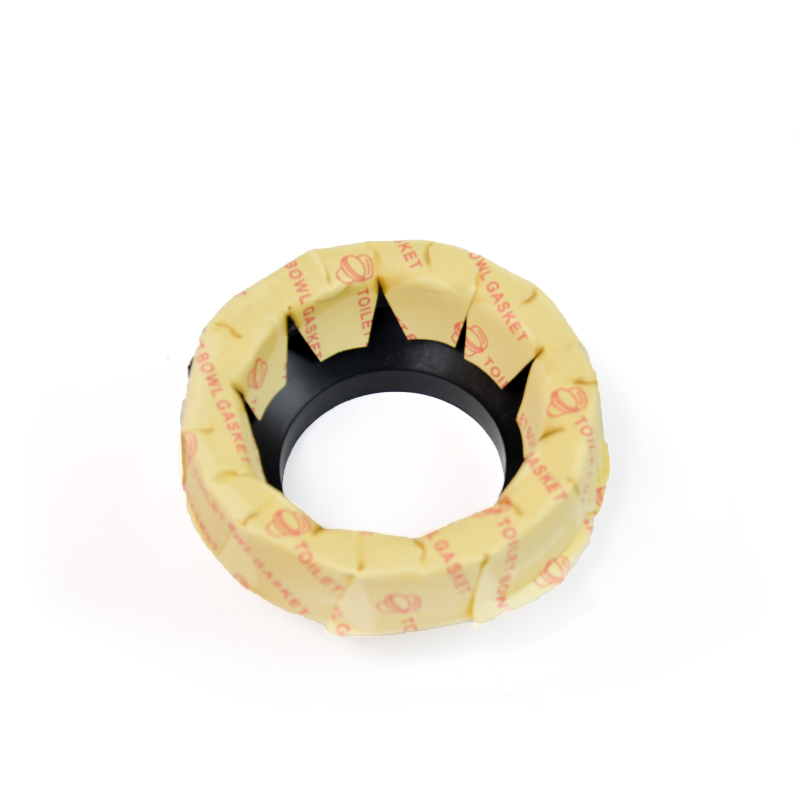
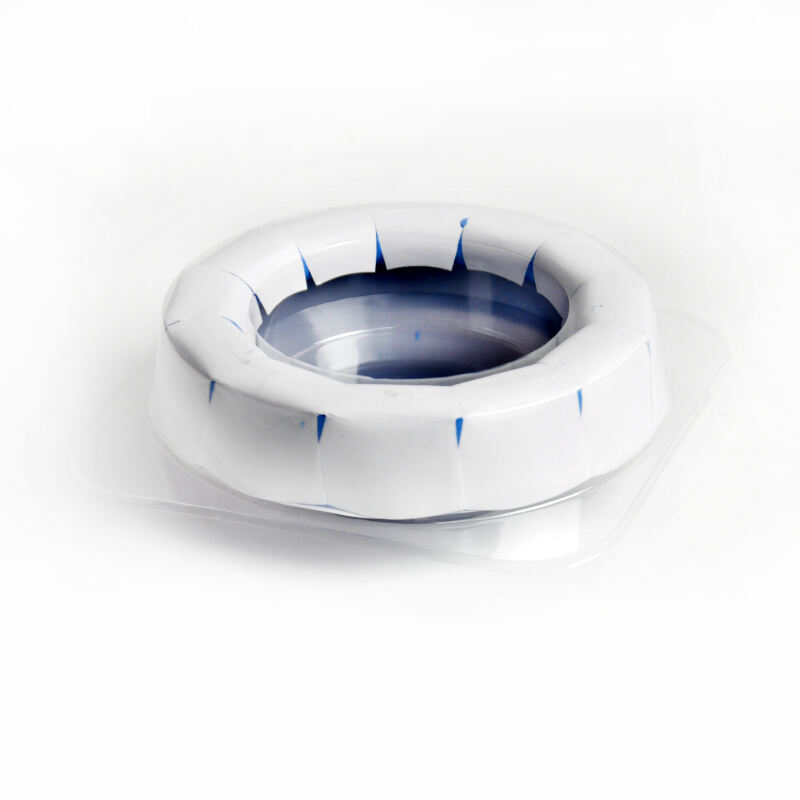
The failure mechanism is straightforward: a rigid or minimally flexible seal cannot contour to the imperfections of the old pipe or flange. A small gap is left, which slowly allows water and odorous sewer gases to escape every time the toilet is flushed. This is not a product failure but an application mismatch. The solution requires a Toilet Seal specifically engineered with old plumbing’s unpredictability in mind. Modern solutions for this problem focus on advanced materials with high degrees of compressibility and memory. These seals are made from dense, yet pliable, rubber or polymer compounds that can be compressed into irregularities, filling pits in cast iron or bridging the space to a recessed flange. Their design often includes multiple, independent sealing rings or a funnel-shaped construct that guides waste down while maintaining outward pressure against the pipe wall, even if it is not perfectly smooth or round.
Consider the scenario of a property manager overseeing a portfolio of mid-century apartment buildings. A unit reports a recurring damp spot on the bathroom floor. A plumber replaces the toilet with a new one and a standard wax ring, but the leak returns weeks later. The issue is not the toilet but the aged, slightly uneven cast-iron closet bend. The correct intervention involves removing the toilet, inspecting the pipe condition, and installing a Toilet Seal for Old Pipes with superior conformability. This seal accommodates the pipe’s imperfections, creating a lasting barrier. For historic home restorations where replacing original plumbing is prohibitively expensive or undesirable, such a specialized seal is not just a part; it is a critical preservation tool.
Our company’s foundation in custom rubber manufacturing since 2007 is precisely the background needed to develop such adaptive solutions. We engineer products for real-world conditions, not just textbook installations. Our product development process considers variables like material durometer (softness), compression set resistance, and chemical stability to ensure performance in less-than-ideal environments. For professionals and suppliers dealing with the specific and recurring challenges of Old Pipes, having access to a purpose-built Toilet Seal is essential. We offer a range of robust sealing solutions designed to address these vintage system issues. To determine the optimal seal configuration for your specific project requirements—whether dealing with a severely recessed flange, a 4-inch cast-iron hub, or other unique situations—we invite you to contact our foreign trade team. With over half our staff possessing more than 12 years of experience, we can provide expert guidance to ensure a leak-free, reliable outcome.
 EN
EN